
Kenyan, Nigerian and Ethiopian Food Are Not the Same Thing
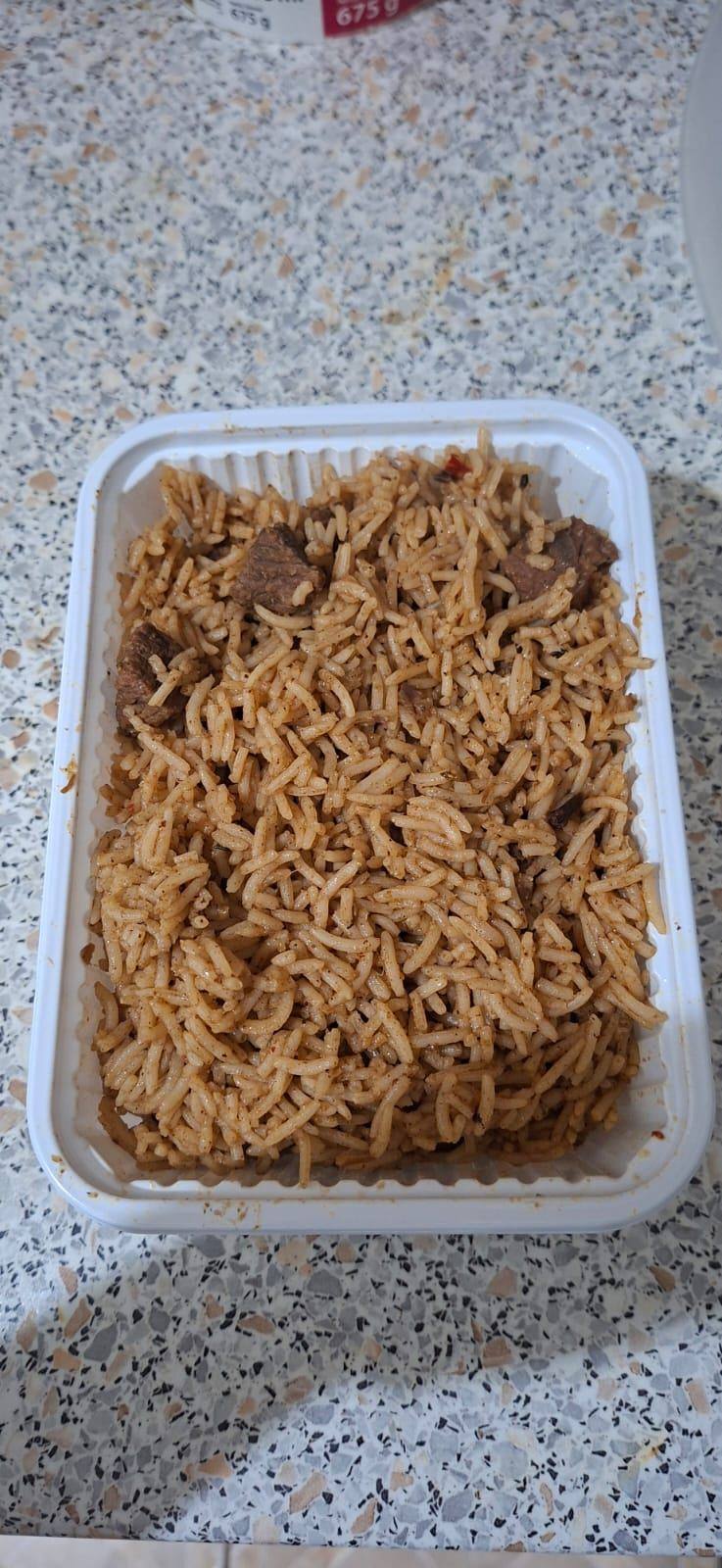
The difference between Kenyan, Nigerian and Ethiopian food starts with three things: the staple starch, the fat in the pot, and how much chilli is built in. Kenyan food leans on maize, rice and mild aromatic spice. Nigerian food leans on cassava and yam, palm oil and real heat. Ethiopian food leans on injera and the berbere blend. Africa is not one menu.
The starch tells you where you are
Look at what is under the stew and you usually know the region.
In Kenya it is ugali, a firm block of maize meal, or rice, or chapati. Ugali is a firm maize-meal staple eaten with the right hand, and it is the everyday starch on most Kenyan tables. Rice arrives as pilau on the coast and at celebrations, spiced brown with cumin, cardamom and cinnamon — a legacy of Indian Ocean trade rather than of chilli.
In Nigeria and much of West Africa it is a swallow: pounded yam, eba from cassava, fufu. Soft, stretchy, dipped rather than scooped, and served with soups built on egusi melon seed, leafy greens or peppers.
In Ethiopia it is injera, a wide, soft, sour flatbread fermented from teff flour. The stews are ladled straight onto it, you tear pieces off and eat from the same platter, and there is no separate plate at all.
The difference between Kenyan, Nigerian and Ethiopian food, in one table
| Kenyan | Nigerian | Ethiopian | |
|---|---|---|---|
| Staple | ugali, rice, chapati | pounded yam, eba, fufu, rice | injera |
| Fat | vegetable oil, coconut milk | palm oil, groundnut oil | niter kibbeh, spiced butter |
| Heat | mild; chilli on the side | often genuinely hot | warm to hot, built in |
| Spice signature | cumin, cardamom, cinnamon, ginger | scotch bonnet, dried crayfish, locust bean | berbere, mitmita |
| Served | plate per person, stew beside starch | swallow with a bowl of soup | one shared platter |
What that means at the table
Sit down to Nigerian jollof and you get rice cooked in a peppery tomato base, deep red, with a serious back-heat. Sit down to Kenyan pilau and you get rice browned in onions and whole spices, savoury and aromatic, with no chilli in it at all. They are both rice at a party, and they taste nothing alike. What Is Pilau? Kenya's Spiced Rice, Explained goes into how the Kenyan one is built.
Ethiopian food is the furthest from both. The sourness of injera is a flavour in its own right and it changes everything it touches. Berbere is a blend rather than a single spice, and the long-simmered stews that use it — meat and lentil alike — taste warm, layered and slightly bitter in a way nothing in Kenyan cooking does. Ethiopian fasting food is also one of the great vegan traditions anywhere.
Kenyan cooking sits at the mild end on purpose. The chilli lives in a small dish of pili pili on the table, which means the same pot feeds a child and someone who wants to sweat. There is a fuller answer in Is Kenyan Food Spicy? An Honest Answer.
Where to start if you are new to this in Budapest
If you are searching for afrikai étel Budapesten and have no idea which tradition you are looking at, Kenyan food is a gentle door. There is nothing to brace for. Chapati is soft and layered and familiar to anyone who likes a good flatbread. Beef stew with potatoes tastes like a cousin of a slow Hungarian pörkölt, minus the pirospaprika, which is genuinely not the spice here. Beans in coconut milk is rich, mild, fully vegan and wins over people who expected to be polite about it.
Ingredients follow the same logic. Teff flour and palm oil are specialist buys in Budapest; maize meal, rice, coconut milk, cumin and cardamom are not, and African grocery shops across the districts carry most of what a Kenyan pot needs. If you want the spice side, The Spices in a Kenyan Kitchen lists them.
Frequently asked questions
What is the main difference between Kenyan and Nigerian food?
Heat and fat. Nigerian cooking builds on palm oil and scotch bonnet chilli and is often genuinely hot; Kenyan cooking uses ordinary oil or coconut milk and keeps chilli on the side, so the base flavour is warm rather than fiery.
Is Ethiopian food the same as East African food?
No. Ethiopia is in East Africa but its cooking stands apart: injera, a sour fermented teff flatbread, stews built on the berbere spice blend, and spiced butter. Kenyan food uses none of those as its foundation.
Which African cuisine is the least spicy?
Of these three, Kenyan is the mildest by default. The spicing is aromatic — cumin, cardamom, cinnamon, ginger, garlic — and chilli is served separately as pili pili, so each person decides their own heat.
Order from Nyumbani Vibes Foods
Kenyan cooking, specifically: pilau ya nyama, beef stew with potatoes, chicken stew, beans in coconut, sukuma wiki, chapati and ugali. Open Sunday to Friday, closed all day Saturday for the Sabbath. Delivery to all 23 districts of Budapest, or collect at Erzsébet krt. 19 in District VII. Message WhatsApp +36 30 218 0887 or on Instagram at @nyumbani_vibeskehub25.
Order this from Nyumbani Vibes Foods
Kenyan home cooking and hand-iced cakes, made to order in District VII and delivered to all 23 districts of Budapest. Open Sunday to Friday, closed Saturday for the Sabbath.
Keep reading
 Budapest living
Eating Well on a Scholarship Budget: Food for African Students in Budapest
A scholarship in Budapest covers rent, a travel pass and food, in roughly that order, and food…
 Budapest living
Your First Budapest Winter: Warm Food Delivery and What to Eat In It
Warm food delivery in a Budapest winter is less about luxury than about getting through…
 Cakes
CakesGraduation Cakes for Budapest Students
A graduation cake in Budapest is best ordered at least three days ahead, sized for the people…