
The Spices in a Kenyan Kitchen
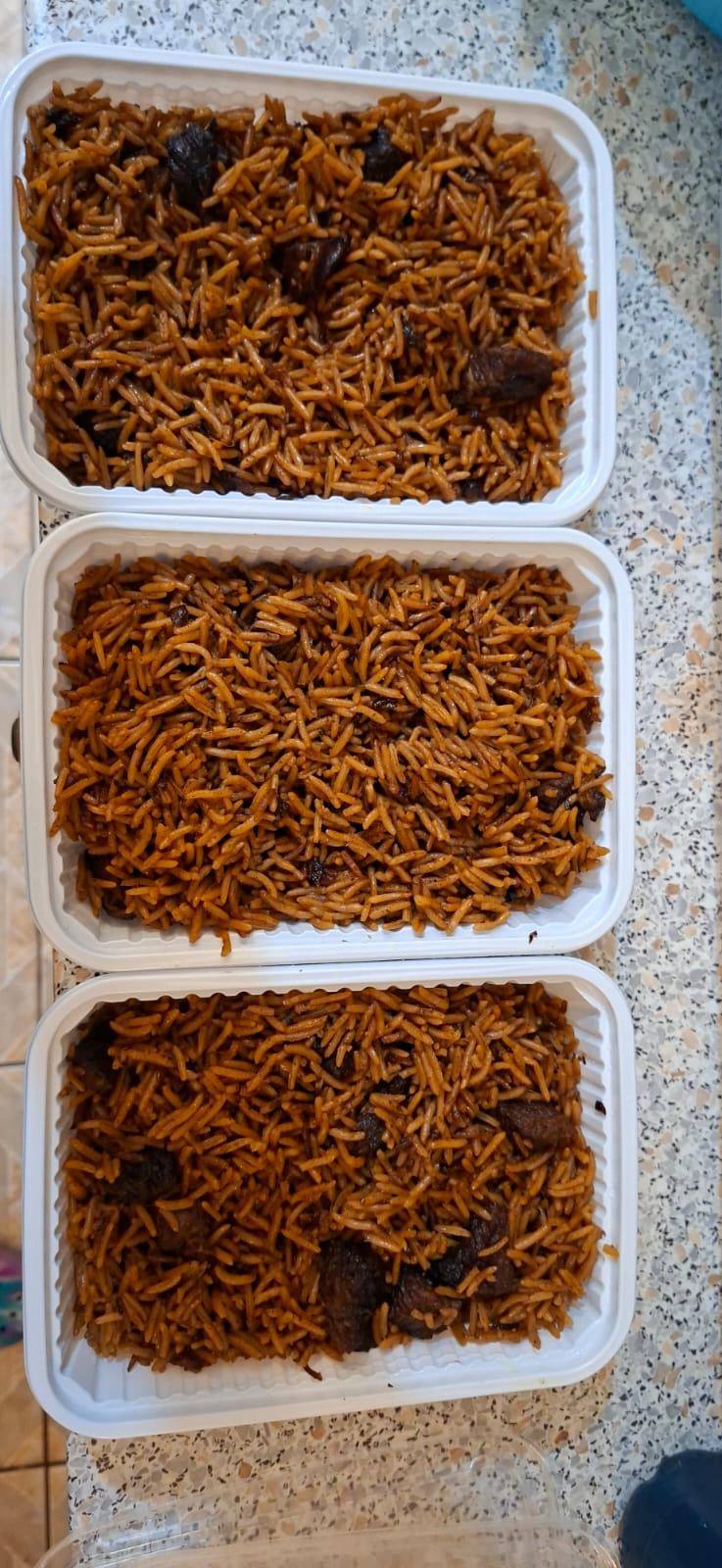
Kenyan spices are warm, not hot. The core of the cupboard is cumin, coriander seed, cardamom, cinnamon, cloves and black pepper, with fresh ginger, garlic, onion and tomato doing the heavy work in every pot. Chilli sits on the table rather than in the food. If you cook Kenyan food in Budapest, that is the shopping list — and pirospaprika is not on it.
What is actually in the cupboard
- Cumin (jeera) — the backbone of pilau and of most spiced meat.
- Coriander seed — ground, used with cumin; the fresh leaf, dhania, goes in at the end.
- Cardamom (iliki) — green pods, cracked, for pilau and for tea.
- Cinnamon (mdalasini) — a stick in the rice pot, not sugar-and-spice sweetness.
- Cloves (karafuu) — a few, no more; they take over if you let them.
- Black pepper (pilipili manga) — the everyday heat, mild and rounded.
- Ginger (tangawizi) — fresh and crushed, in stew and in chai.
- Garlic and onion — the base of everything, browned slowly.
- Turmeric — occasional, for colour in some rice and curries.
- Pili pili — chilli, served on the side so each person sets their own heat.
How Kenyan spices are actually used
The technique matters more than the list. Whole spices go into hot oil at the start so their oils bloom; ground spices go in with the onion once it has colour. Fresh coriander is stirred through at the end, off the heat, where it stays green and sharp.
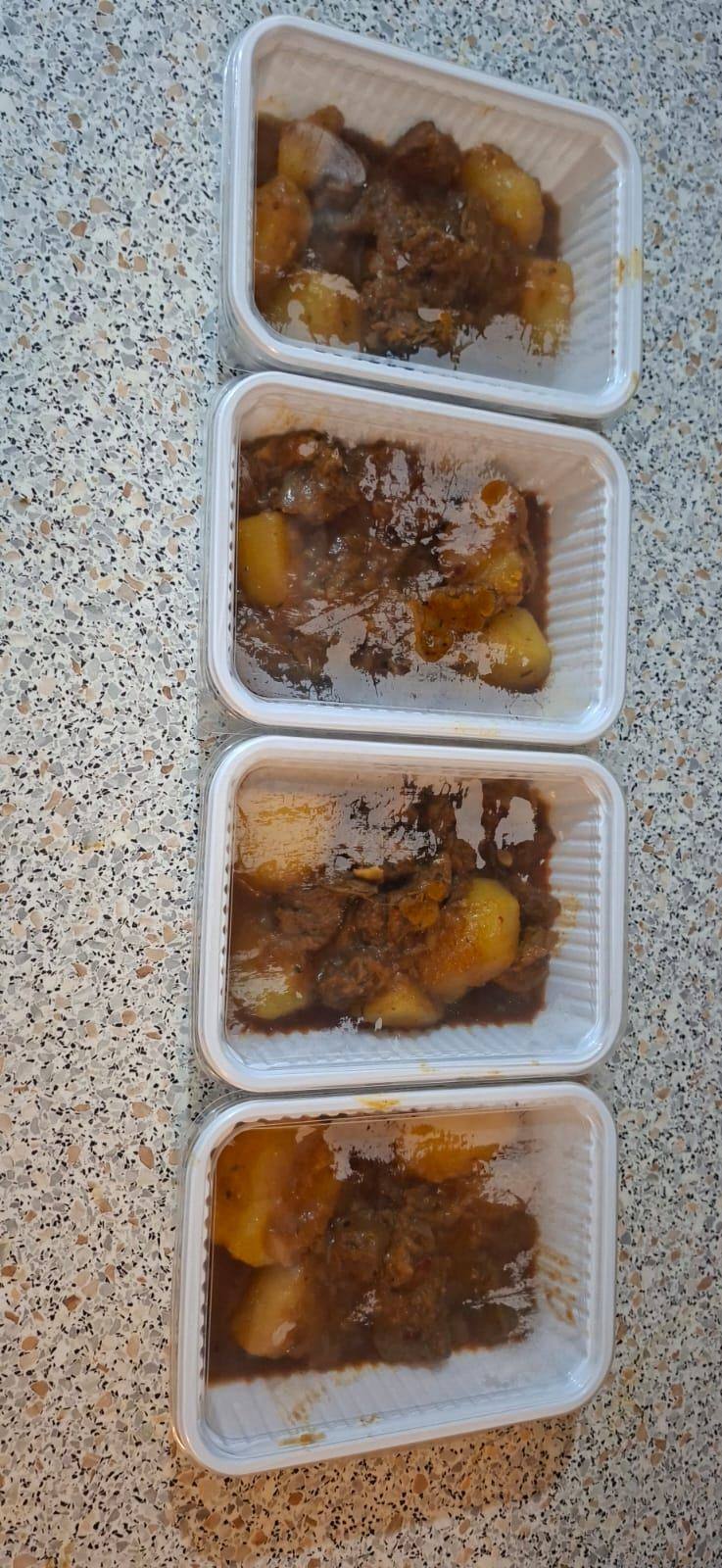
The second technique is the onion. Kenyan stews get their depth from onions cooked far past translucent — down through golden into a deep brown that looks almost too far. That browning, not paprika, is what gives beef stew with potatoes its colour and its sweetness underneath the savoury. Anyone who has stood over a pörkölt base understands the patience involved; the difference is that in a Kenyan pot the browning goes darker and the paprika never arrives.
Third, chilli is kept separate. Kenyan cooking is aromatic rather than hot, and the chilli is served in a small dish so every plate is adjusted by the person eating it. More on that in Is Kenyan Food Spicy? An Honest Answer.
Pilau masala, and why pilau is brown
Pilau is the dish that shows what Kenyan spices do. The rice is brown before anything else happens, from onions cooked dark and from whole spices fried in the oil. Then comes pilau masala, a ground blend of cumin, coriander, cardamom, cinnamon, cloves and pepper, and beef stock, and rice that absorbs all of it.
Kenyan pilau is coloured by browned onions and whole spices, not by tomato or chilli, which is why it smells sweet and looks dark but tastes savoury. That single fact explains most of the confusion between pilau and biryani, and between pilau and jollof. There is a fuller account in What Is Pilau? Kenya's Spiced Rice, Explained.
The spice profile comes from the Swahili coast, where centuries of Indian Ocean trade left cardamom, cloves and cinnamon in the everyday cooking of an African coastline.
Buying Kenyan spices in Budapest
Most of this list is easy here. Cumin, coriander seed, cinnamon, cloves, black pepper and turmeric are in every supermarket and cheaper by weight in the market halls, where you can also buy whole cardamom pods instead of tired ground ones. Fresh coriander is the one that varies by season — the bigger markets have it most of the year.
Ready-made pilau masala is the item worth hunting for in African grocery shops in Budapest; there is more on that in Finding African Ingredients in Budapest. If you cannot find it, grinding your own cumin, coriander, cardamom, cinnamon, cloves and pepper gets you close.
Two honest notes. Spice loses its point once it has been open a year — buy small, in forint amounts you will finish. And this is a home kitchen where wheat, dairy, eggs and coconut are in daily use, so a trace-free plate cannot be promised; tell us the allergy before ordering and you get an honest answer.
Frequently asked questions
What spices are used in Kenyan cooking?
Cumin, coriander seed, cardamom, cinnamon, cloves and black pepper form the aromatic core, with fresh ginger, garlic, onion, tomato and coriander leaf in almost every pot. Chilli is optional and usually served separately.
What is pilau masala made of?
Pilau masala is a ground blend, typically cumin, coriander seed, cardamom, cinnamon, cloves and black pepper. It is warm and aromatic rather than hot, and it is what gives Kenyan pilau its brown colour and smell.
Can I use Hungarian paprika in Kenyan food?
You can, but it will not taste Kenyan. Pirospaprika is not the spice here — Kenyan stews get their colour from browned onions and tomato, and their scent from cumin, cardamom and cinnamon.
Order from Nyumbani Vibes Foods
Taste the spicing rather than guess at it: pilau ya nyama, beef stew with potatoes, chicken stew, chai ya tangawizi. Open Sunday to Friday, closed all day Saturday for the Sabbath. Delivery to all 23 districts of Budapest, or collect at Erzsébet krt. 19 in District VII, near Blaha Lujza tér. Message WhatsApp +36 30 218 0887 or on Instagram at @nyumbani_vibeskehub25.
Order this from Nyumbani Vibes Foods
Kenyan home cooking and hand-iced cakes, made to order in District VII and delivered to all 23 districts of Budapest. Open Sunday to Friday, closed Saturday for the Sabbath.
Keep reading
Culture & storiesWhat "Nyumbani" Means, and Why It Is on the Box
Nyumbani is the Swahili word for "at home". It is built from nyumba, meaning house, with the…
 Budapest living
Warm Food Delivery in a Budapest Winter: What to Order From an African Kitchen
For warm food delivery in a Budapest winter, order the dishes that were built to be reheated…
Budapest livingAfrican Food Delivery in Budapest: How It Works
African food delivery in Budapest from Nyumbani Vibes Foods works by message, not by app. You…