
Is Kenyan Food Spicy? An Honest Answer
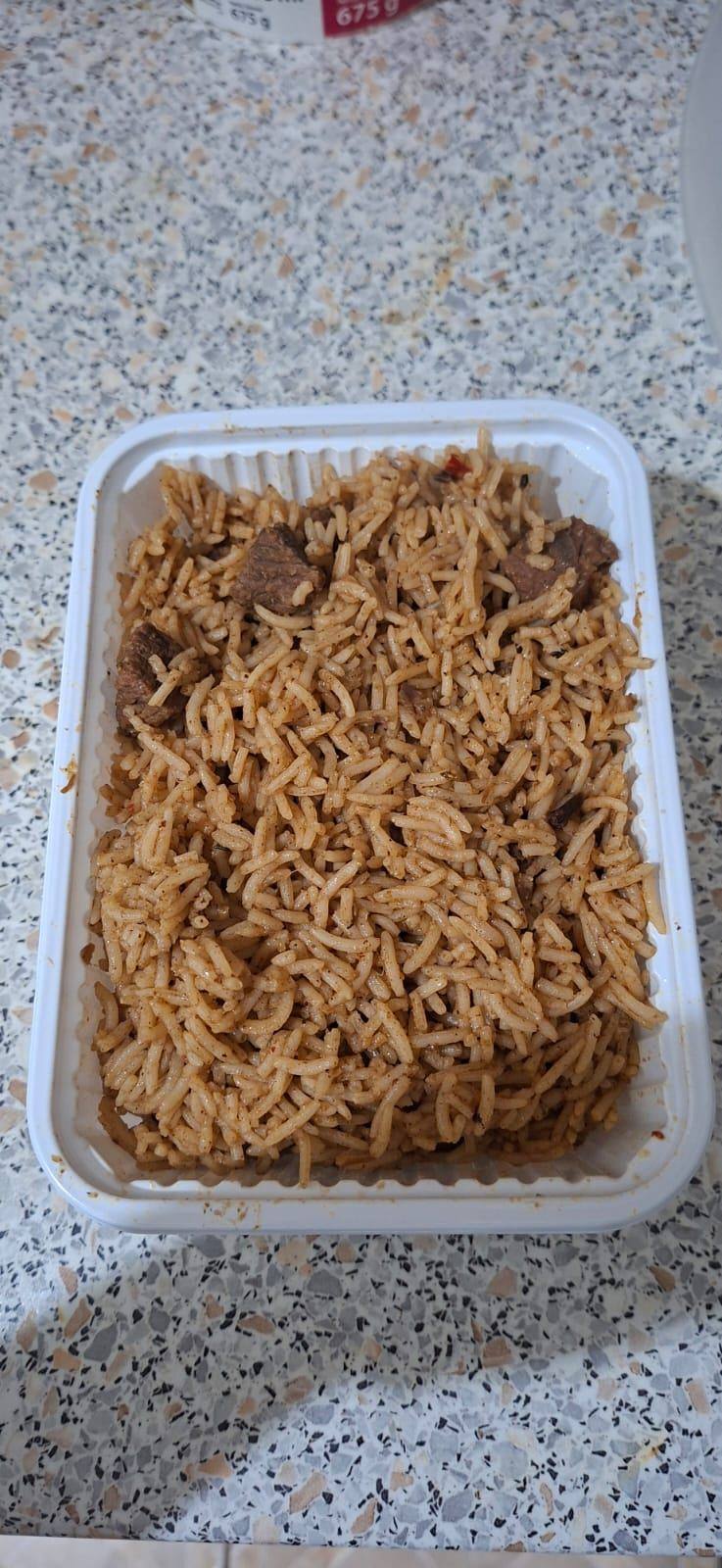
Is Kenyan food spicy? Mostly, no. It is aromatic rather than hot. The backbone is cumin, cardamom, cinnamon, cloves, black pepper, garlic and ginger, simmered into rice and stews until the flat smells of it. Chilli exists, but it usually arrives at the table as a side, so every person sets their own heat. In Budapest we cook mild by default and add chilli on request.
Is Kenyan food spicy, or just well spiced?
English uses one word for two different things, and the confusion starts there. "Spicy" can mean full of spices, or it can mean burns your mouth. Kenyan food is the first and rarely the second.
Take pilau. The masala is a warm, dark blend — cumin leading, then cardamom, cinnamon, cloves and black pepper — browned with onions until the whole pot goes the colour of strong tea. The result is deeply fragrant and not hot at all. A child can eat it. Most Hungarians tasting it for the first time say it reminds them of something between a rice pilaf and a mulled-wine spice tin, which is closer than it sounds.
Beef stew with potatoes, nyama na viazi, is the same story. Onion, tomato, garlic, a little cumin, black pepper, and a long simmer. Chicken stew, likewise. Beans in coconut milk are sweet and rich rather than sharp. Sukuma wiki is greens, onion and tomato with a squeeze of lemon.
Where the heat actually comes from
There is heat in Kenyan eating, but it lives in three places and all three are optional.
- Pili pili. Small hot chillies, chopped raw or made into a fierce sauce, put on the table in a saucer. You take as much as you want.
- Kachumbari. The raw tomato-and-onion salad that goes with almost everything. It is often made with a chilli chopped into it, and often made without. Ours is mild unless you ask. Kachumbari is about acid and crunch first, heat second.
- Ginger. Chai ya tangawizi, boiled with fresh ginger, gives a warm burn at the back of the throat. It is pleasant, not painful.
One thing worth saying plainly to Hungarian cooks: pirospaprika is not the spice here. Sweet paprika is the soul of a pörkölt, but it has no role in pilau or in a Kenyan stew, and substituting it gives you something that tastes Hungarian, not Kenyan. If you want to cook this at home, buy cumin seed and whole cardamom instead. Our guide to Kenyan spices sets out the short shopping list.
How to order mild, medium or hot in Budapest
Because the chilli is separate, ordering is simple. Tell us the heat level in your message and we build the plate around it.
Mild means no chilli anywhere, including the kachumbari — this is what we send unless you say otherwise, and it is what most office lunches and children's parties get. Medium means chilli in a small pot on the side, so people at the same table can disagree. Hot means we chop chilli into the salad and add more to the stew, which is how a lot of Kenyan households actually eat.
Because prices are quoted per order in forint, heat level costs nothing either way — send your list and you get the total the same day.
What it tastes like if you have never had Kenyan food
Imagine a plate of rice that smells of cinnamon and cumin, with pieces of slow-cooked beef in it. Beside it, a spoonful of raw tomato and red onion with lime, cold and sharp. Then a soft chapati to tear and use as a scoop. Nothing on that plate will sting. What it will do is fill the room with smell for an hour after the container is opened, which is the usual complaint from neighbours in a District VII stairwell.
If you want one dish to test the theory, order pilau with kachumbari on the side. It is the most spiced thing we cook and the least hot.
This is a home kitchen where wheat, dairy, eggs and coconut are in daily use, so a trace-free plate cannot be promised. Tell us the allergy before ordering and you get an honest answer.
Frequently asked questions
Is Kenyan food spicy hot?
Usually not. Kenyan cooking is aromatic rather than fiery, built on cumin, cardamom, cinnamon, cloves, black pepper, garlic and ginger. Chilli is normally added at the table as pili pili, so each person sets their own heat.
Can children eat Kenyan food?
Yes. Pilau, chapati, beef stew with potatoes, beans in coconut milk and mandazi are all mild as cooked. Keep the chilli on the side and a child's plate is no hotter than a Hungarian pörkölt.
Can I order Kenyan food extra hot in Budapest?
Yes. Tell us when you order and we will send chilli separately or build more heat into the dish. Nyumbani Vibes Foods delivers across all 23 Budapest districts, Sunday to Friday.
Order from Nyumbani Vibes Foods
Order pilau, stews, chapati and kachumbari at the heat level you want, Sunday to Friday, closed all day Saturday for the Sabbath. Collect at Erzsébet krt. 19 in District VII, by the 4–6 tram, or take delivery to any of Budapest's 23 districts. Message WhatsApp +36 30 218 0887 or on Instagram at @nyumbani_vibeskehub25.
Order this from Nyumbani Vibes Foods
Kenyan home cooking and hand-iced cakes, made to order in District VII and delivered to all 23 districts of Budapest. Open Sunday to Friday, closed Saturday for the Sabbath.
Keep reading
 Cakes
CakesPlanning a Baby Shower Cake in Budapest
For a baby shower cake in Budapest, order a 1 kg hand-iced cake for every eight to ten guests,…
Catering & eventsA Baby Shower Menu That Isn't Sandwiches
The best baby shower menu ideas start with warm food instead of a sandwich platter: sambusa…
 Catering & events
Baptism Party Catering in Budapest: Food for the Day
A baptism celebration in Budapest usually means one long table, three generations at it, and…