
Finding African Ingredients in Budapest
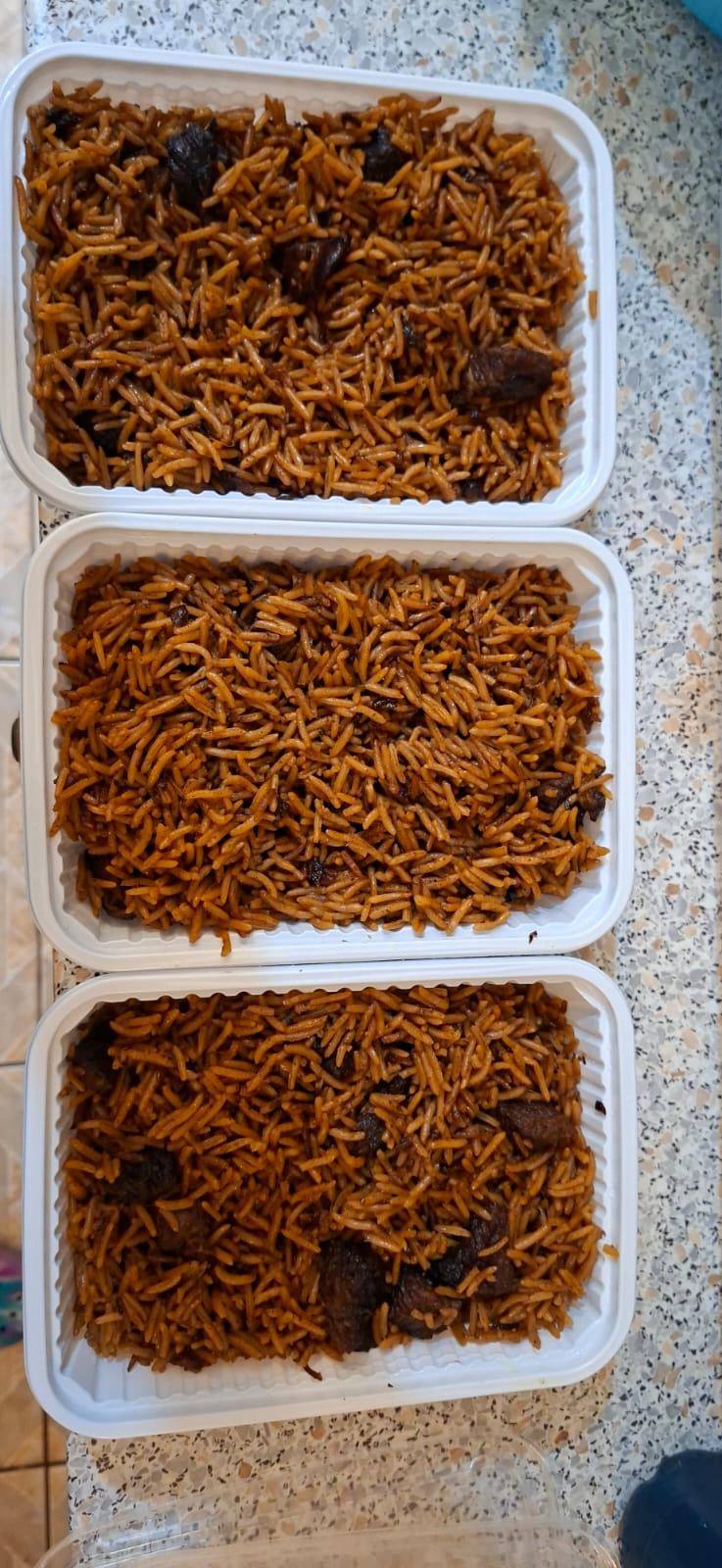
You can cook Kenyan food in Budapest without much trouble. African grocery shops in Budapest stock maize meal, dried beans and spice blends. The big supermarket chains cover coconut milk, cumin, cardamom, ginger and greens. The market halls handle tomatoes, onions and coriander. A few African ingredients in Budapest need a substitute, and this is the honest list of what works.
African ingredients in Budapest: what to buy where
Three kinds of shop between them cover almost everything.
African grocery shops are where you go for white maize meal, dried pigeon peas and kidney beans, cassava, palm oil and ready-made masala blends. They are scattered across the inner districts and are the only reliable source for a couple of items below.
The big supermarket chains cover more than people expect. Tinned coconut milk is standard. Cumin seed, ground cumin, cinnamon sticks, cloves and black peppercorns are in every spice aisle. Fresh ginger and garlic, always. Kale and savoy cabbage from autumn onwards.
The market halls are for produce, and they are worth the trip in summer: ripe tomatoes and strong red onions make kachumbari taste like kachumbari rather than like a garnish.
The substitutes that actually work
- Sukuma wiki greens. Collard greens are hard to find here. Kale or savoy cabbage, shredded fine and fried down with onion and tomato, gives the same firm, faintly bitter result. Sukuma wiki survives the swap better than almost any other dish.
- Maize meal for ugali. You want fine white maize meal. Yellow kukoricadara from a Hungarian supermarket is coarser and sweeter and gives you something closer to polenta, which is a fine thing but is not ugali. Buy the white flour from an African shop if you can. What ugali is explains why the texture matters so much.
- Coconut milk. Tinned full-fat coconut milk is fine and widely available. Avoid the thin cartons sold as drinks — they will not reduce.
- Chilli. Fresh small hot chillies for pili pili. Pirospaprika is not the spice here. Sweet Hungarian paprika belongs in pörkölt and has no place in pilau.
- Beans. Dried red kidney beans from any supermarket work for maharagwe. Soak overnight, and expect an hour and a half of simmering before the coconut milk goes in.
- Coriander. Fresh coriander is seasonal in Budapest shops and reliably available in the market halls. Do not substitute parsley in kachumbari; the salad depends on it.
The things worth carrying home in a suitcase
Some things are simply better bought in Kenya, and anyone flying back knows the drill. Pilau masala blended by a family shop, loose tea for chai, and dried dagaa are the usual suspects in a returning suitcase. None of them are essential — you can build a very good pilau masala yourself from cumin, cardamom, cinnamon, cloves and pepper, and our guide to Kenyan spices sets out the proportions.
Pilau masala is a warm, dark blend of cumin, cardamom, cinnamon, cloves and black pepper, and it is what gives Kenyan pilau its colour and smell rather than any chilli. That sentence is worth remembering next time someone tells you African food is automatically hot.
When shopping is not the answer
Cooking Kenyan food from scratch in a Budapest flat is genuinely satisfying, and it also takes a Sunday. Chapati alone is an afternoon if you want the layers right. Pilau needs the onions browned properly, which cannot be rushed. Beans need soaking the night before.
So there is a second option, which is to eat the food first and learn from it afterwards. We cook all of it to order — pilau, chapati, ugali, sukuma wiki, beans in coconut milk, kachumbari, sambusa and mandazi — and plenty of our customers order a dish once to taste what it is supposed to be like, then go and attempt it themselves. Prices are quoted per order in forint — send your list and you get the total the same day.
One last note: this is a home kitchen where wheat, dairy, eggs and coconut are in daily use, so a trace-free plate cannot be promised. Tell us the allergy before ordering and you get an honest answer.
Frequently asked questions
Where can I buy African ingredients in Budapest?
African grocery shops in Budapest carry maize meal, dried beans and spice blends. The big supermarket chains cover coconut milk, cardamom, cumin, ginger and greens, and the market halls are best for fresh tomatoes, onions and coriander.
What can I use instead of sukuma wiki in Hungary?
Kale or savoy cabbage. Both are in Budapest shops from autumn through winter, and both give the slight bitterness and firm texture that collard greens provide in Kenya. Shred them finely and fry them down.
Can I use pirospaprika in Kenyan cooking?
No. Hungarian sweet paprika is not the spice in Kenyan food. Pilau and Kenyan stews are built on cumin, cardamom, cinnamon, cloves and black pepper, with fresh chilli added separately if you want heat.
Order from Nyumbani Vibes Foods
If the shopping list looks long, order the finished dish instead. We cook pilau, ugali, sukuma wiki, beans in coconut milk and chapati Sunday to Friday, closed all day Saturday for the Sabbath. Collect at Erzsébet krt. 19 in District VII or take delivery to all 23 districts. Message WhatsApp +36 30 218 0887 or on Instagram at @nyumbani_vibeskehub25.
Order this from Nyumbani Vibes Foods
Kenyan home cooking and hand-iced cakes, made to order in District VII and delivered to all 23 districts of Budapest. Open Sunday to Friday, closed Saturday for the Sabbath.
Keep reading
Catering & eventsWorking Out a Catering Budget Per Person in Budapest
A catering budget per person starts with three numbers: how many people are coming, how many…
Catering & eventsCatering for 30 People in Budapest: What to Actually Order
For catering for 30 people in Budapest, the honest working numbers are about 4.5 kg of…
 Dishes
Chai ya Tangawizi: Kenyan Ginger Tea, Boiled Not Brewed
Kenyan ginger tea — chai ya tangawizi — is made by boiling black tea leaves, milk, water,…