
What "Nyumbani" Means, and Why It Is on the Box
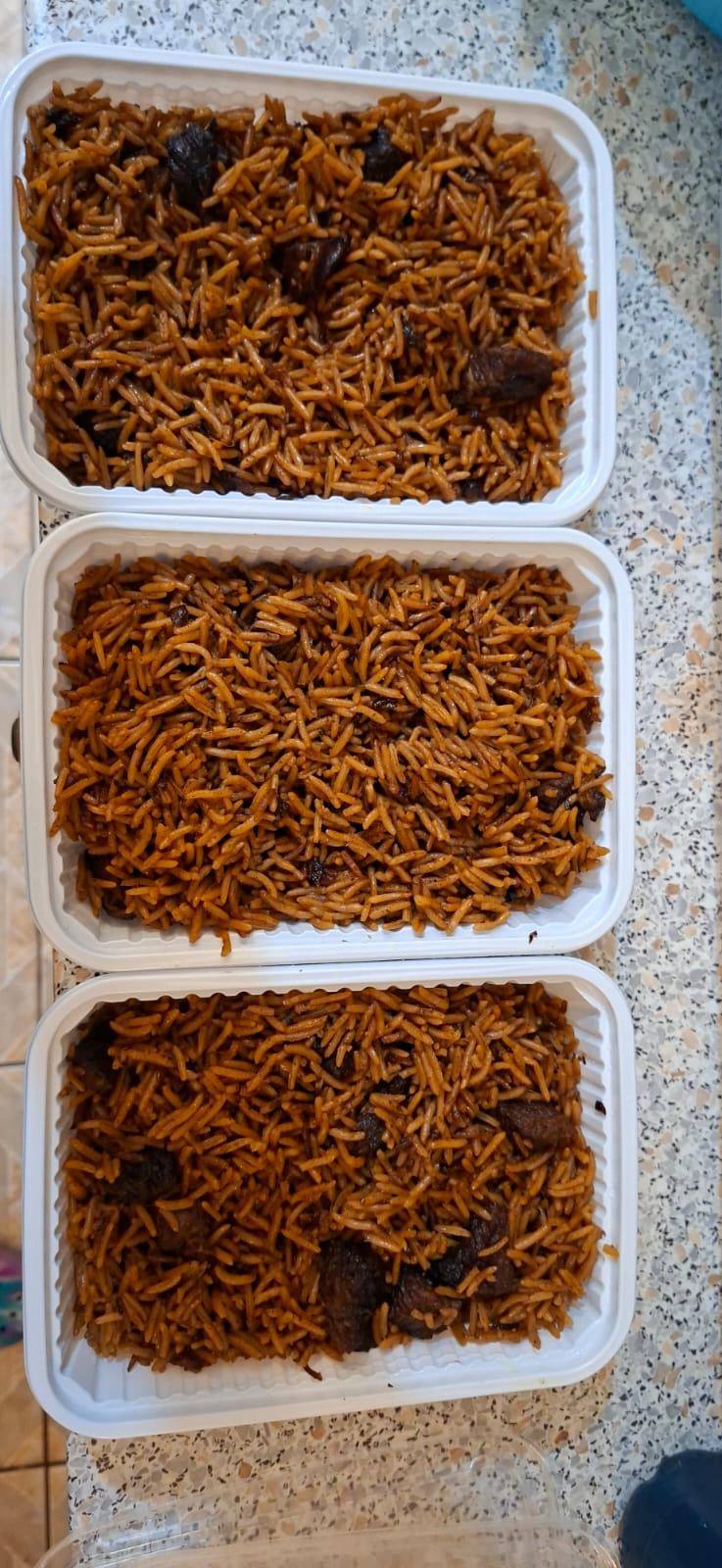
Nyumbani is the Swahili word for "at home". It is built from nyumba, meaning house, with the locative ending -ni attached, so the nyumbani meaning is closer to "in the home" or "homeward" than to a building you can point at. That is why it is on the box: the food inside was cooked in a home kitchen in Budapest, not assembled in a production line.
The nyumbani meaning in Swahili
Swahili builds place out of things. Take nyumba, house. Add -ni and you get nyumbani, which does the work that English needs three words for: at home, to home, from home, depending on the sentence around it. A child out late is told twende nyumbani — let's go home. The word carries the people, not the walls.
The nyumbani meaning most people land on, once they have heard it used a few times, is something like "where you are expected". It is the pot that is still warm because somebody knew roughly when you would arrive. If you want more words like it, the list in Twelve Swahili Food Words Worth Knowing covers the ones that come up most often at a Kenyan table.
Pronunciation is easy in Hungary for one reason: Hungarian already owns the ny- sound, the ny in nyár or Nyugati. So nyumbani is nyoom-BAH-nee, stress on the BAH, and a Budapest tongue gets it right more often than an English one.
Why the name is on the box, in District VII
A home kitchen is a specific thing, and the name is a promise about it. The pilau is cooked in batches that fit a household pot, not a hotel cauldron. The onions for the beef stew are browned slowly, past golden and into a deep, almost-too-dark brown, because that colour is where the flavour of nyama na viazi lives. Chapati dough is rested, rolled, oiled, coiled and rested again. None of that scales, and none of it is worth doing faster.
So the box that leaves Erzsébet krt. 19 — a few minutes from Blaha Lujza tér, on the 4–6 tram line — is a box from somebody's kitchen. That is the whole idea.
What "cooked at home" changes on the plate
Home cooking is not a marketing word here. It shows up in concrete places:
- Batch size. Rice for eight to twelve people, so the grains at the bottom of the pot still separate.
- Timing. Food is cooked to the day it is collected or delivered, which is why a day's notice is asked for food and three days for a cake.
- Seasoning to taste, not to spec. The salt in a chicken stew is adjusted at the end, by tasting, the way it is at home.
- Real substitutions, honestly made. Sukuma wiki is traditionally collard greens; in Budapest the closest honest stand-ins are kale or young savoy cabbage from the market halls, and they behave well.
- No promises the kitchen cannot keep. Wheat, dairy, eggs and coconut are in daily use in the same space, so a trace-free plate cannot be promised. Tell us the allergy before you order and you get an honest answer.
Home for people who are a long way from it
Budapest is a city full of people who live somewhere that is not nyumbani. Students at the universities, families who came for a job and stayed for a life, East Africans scattered across the 23 districts. Winter here is long and grey and starts in November, and a plate of ugali with a stew that has been on the heat for two hours does something to a February evening that no sandwich does.
Ugali is a firm maize-meal staple eaten with the right hand, and it is the everyday starch on most Kenyan tables — the food you eat when nobody is watching, which is exactly what makes it the food you miss. That is the thinking behind A Taste of Home for Africans Living in Hungary.
Nyumbani is not only for people from East Africa. Hungarians order pilau for a name day, students split a tray of beans in coconut on a Thursday. The word means somebody's home, and the invitation is that it can be a table you sit at too.
Frequently asked questions
What does nyumbani mean in Swahili?
Nyumbani means "at home" or "homeward" in Swahili. It comes from nyumba, meaning house, with the locative ending -ni added, which turns the noun into a place you are in or going to.
How do you pronounce nyumbani?
Say it nyoom-BAH-nee, with the stress on the second-to-last syllable, as in almost every Swahili word. The ny- at the start is one sound, like the ny in the middle of canyon.
Is Nyumbani Vibes Foods a restaurant?
No. It is a home kitchen in Budapest cooking Kenyan and East African food and celebration cakes to order, with delivery across all 23 districts and collection at Erzsébet krt. 19 in District VII.
Order from Nyumbani Vibes Foods
Pilau, beef stew, chapati, beans in coconut, mandazi, celebration cakes — cooked to order in a Budapest home kitchen. We are open Sunday to Friday and closed all day Saturday for the Sabbath. Delivery goes to all 23 districts, or collect at Erzsébet krt. 19 in District VII. To order, message WhatsApp +36 30 218 0887 or on Instagram at @nyumbani_vibeskehub25.
Order this from Nyumbani Vibes Foods
Kenyan home cooking and hand-iced cakes, made to order in District VII and delivered to all 23 districts of Budapest. Open Sunday to Friday, closed Saturday for the Sabbath.
Keep reading
 Cakes
CakesHow to Transport a Cake Home in One Piece
The short answer on how to transport a cake is: cold, flat and low. Chill it before it moves,…
 Budapest living
Vegan African Food in Budapest
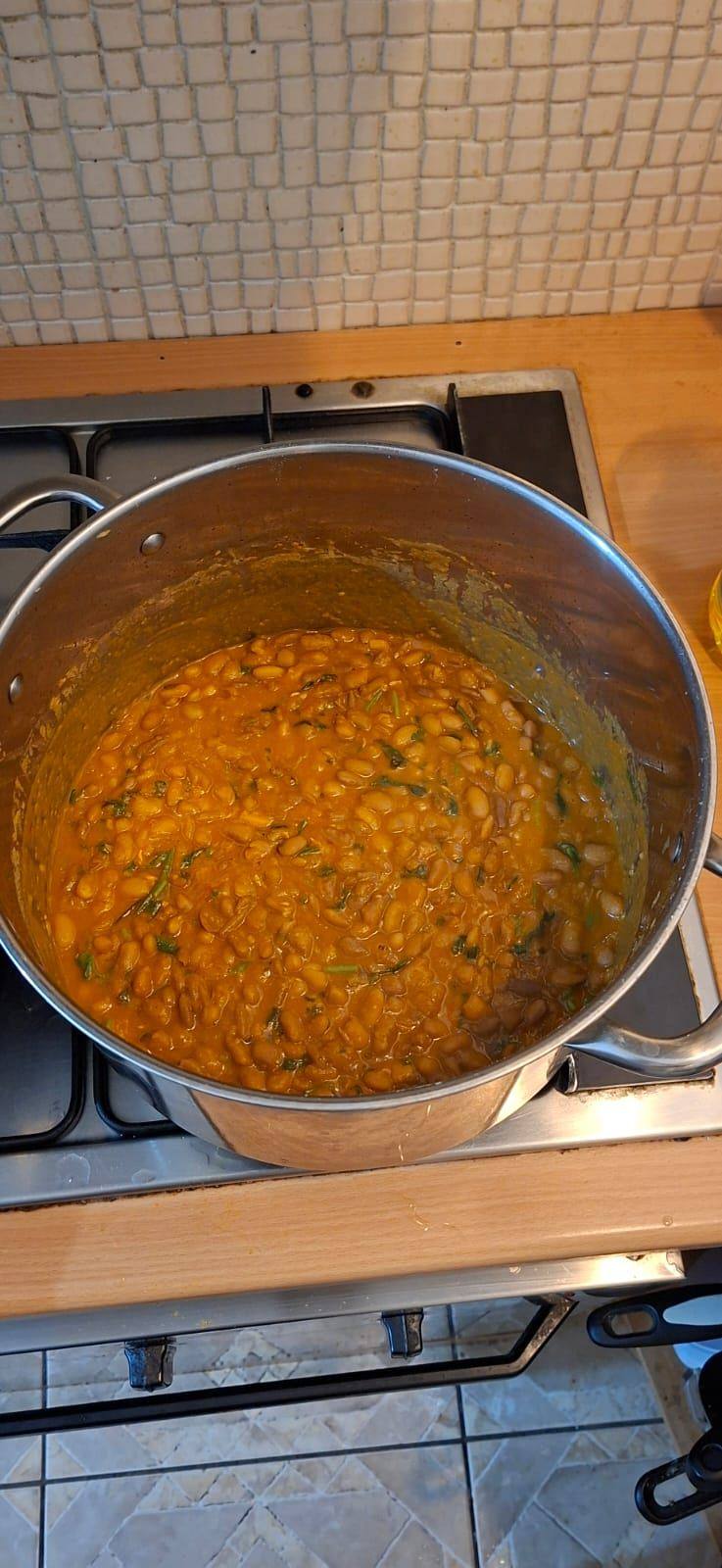
Vegan African food in Budapest starts with maharagwe ya nazi, beans simmered in coconut milk,…
 Cakes
CakesWhat a One-Kilo Cake Actually Feeds: 1 kg Cake, How Many People?
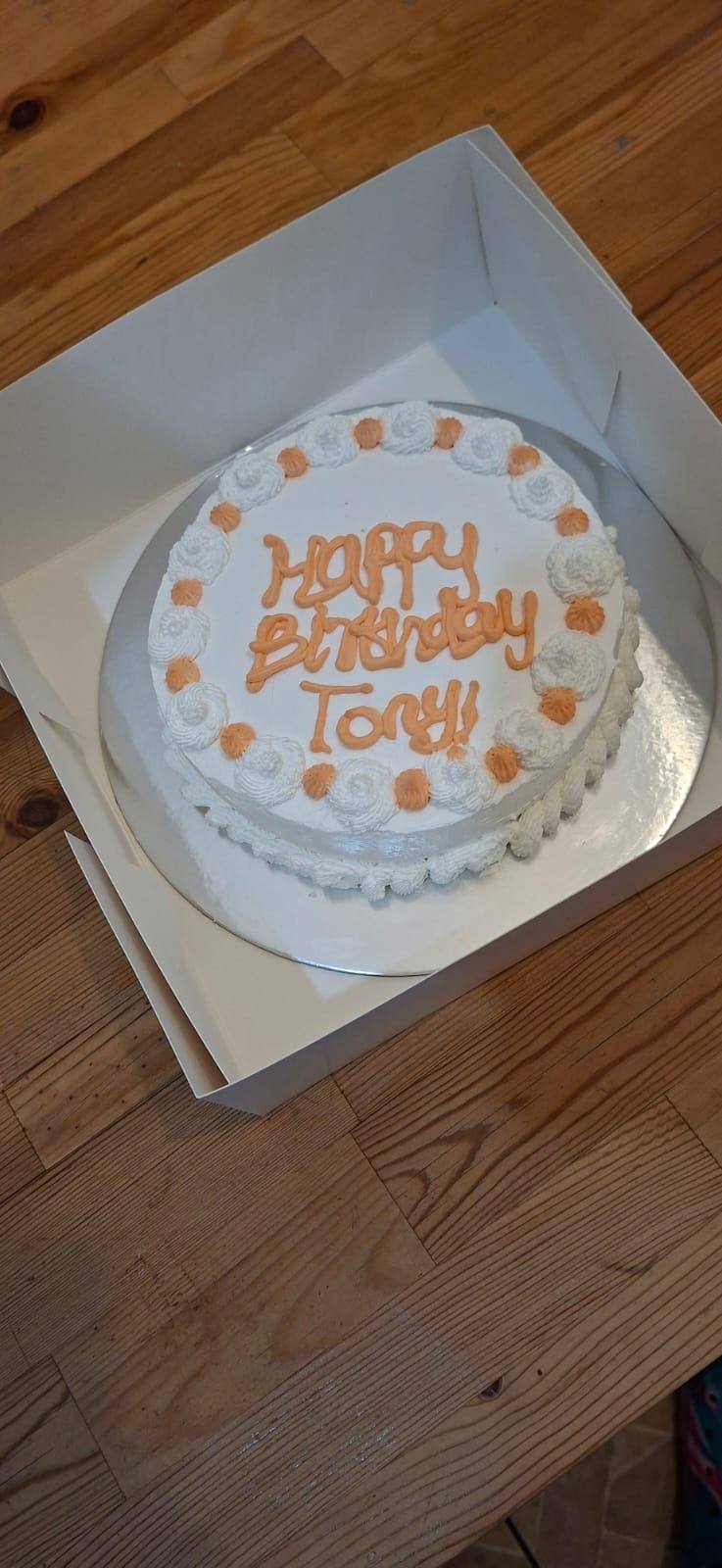
A one-kilogram cake feeds eight to ten people as a dessert slice, and up to twelve or fourteen…