
Mahamri or Mandazi: What Is the Difference?
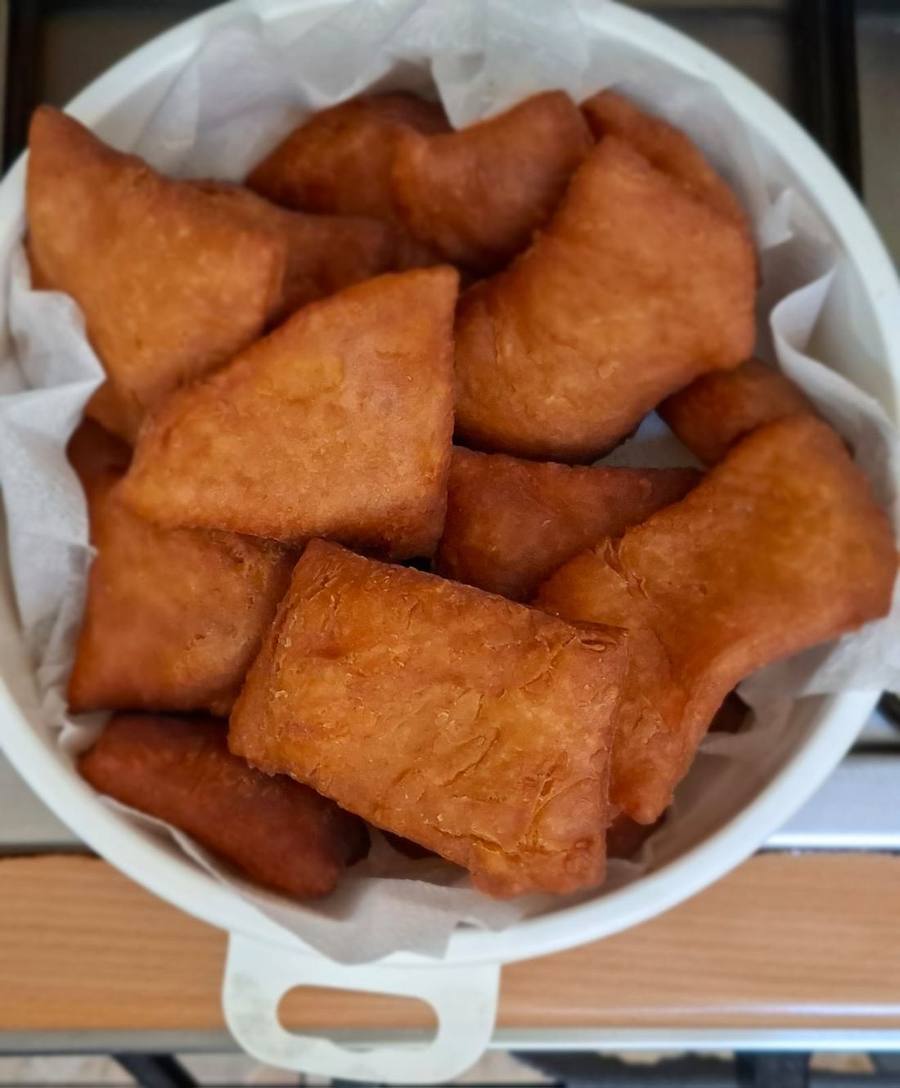
Mahamri vs mandazi comes down to the dough. Both are East African fried breads. Mahamri is the Swahili-coast version: yeast-risen, made with coconut milk and ground cardamom, cut into triangles. Mandazi is the wider family name — often quicker, lighter on coconut, cut into whatever shape the kitchen likes. Both are eaten with hot tea, and both come out of our Budapest kitchen.
The short answer on mahamri vs mandazi
Ask this question on the Kenyan coast and you get a firm answer. Ask it upcountry and you may get a shrug, because plenty of people use "mandazi" for anything fried and faintly sweet. The distinction is still real, and it is worth knowing before you order.
Mandazi is the general Kenyan word for fried dough. Mahamri is the specific coastal one, and it is the richer relative. Mahamri is raised with yeast and left to prove, so the crumb opens up soft and slightly stringy. The liquid in the dough is coconut milk. The spice is cardamom, sometimes with a scrape of nutmeg. The dough is rolled into a round, cut into quarters, and fried as four triangles.
Mandazi is more flexible. It can be raised with yeast or with baking powder. The liquid can be milk, water, or coconut milk if the cook feels like it. It can come out as a triangle, a square, or a round.
| Mahamri | Mandazi | |
|---|---|---|
| Liquid in the dough | Coconut milk | Milk, water or coconut milk |
| Spice | Cardamom, sometimes nutmeg | Often plain, sometimes cardamom |
| Rise | Yeast, proved slowly | Yeast or baking powder |
| Shape | Triangles cut from a round | Triangle, square or round |
| Usually eaten with | Chai, or beans in coconut | Chai |
What actually happens in the dough
The proving is the part people skip, and it is the part that matters. A yeasted mahamri dough is left until it is puffed and slack, then rolled gently so the air is not knocked out. Into medium oil it goes, and it lifts almost immediately, turning over on itself. Done properly the inside is hollow enough to tear open with a thumb, and the steam that comes out smells of cardamom and coconut at the same time.
Neither bread is heavily sweetened. The sugar is there to round out the cardamom, not to lead. It is bread that happens to be fried, not cake.
What they taste like if you have never had either
Mahamri tastes like warm cardamom, coconut and yeast, with a thin crisp shell and a soft middle. Mandazi is plainer and more everyday — closer to a light, faintly milky fried bun. Both leave your fingers a little shiny and neither needs jam.
The comparison Hungarians reach for is fánk, and it is a fair starting point for texture, but fánk is sweeter and usually filled. These are not filled. They are made to be dunked.
How they are eaten, in Nairobi and in a Budapest winter
In Kenya, mandazi is breakfast and mahamri is breakfast with more ceremony. On the coast, mahamri is eaten with mbaazi — pigeon peas simmered in coconut milk — which turns fried bread into a full plate. Everywhere else it is chai: strong, milky, boiled, often with ginger. Kenyan ginger tea and a hot mandazi is the standard pairing.
In Budapest they earn their place twice over. On a wet January afternoon, with the 4–6 tram grinding past Blaha Lujza tér, a bag of fresh mandazi and a flask of chai is a good reason to stay indoors. They are also easy food to carry to a flat in District XI or an office in District XIII, because they travel well and reheat in a dry pan in two minutes. Cardamom, the one spice you cannot skip for mahamri, is easy enough to find in Budapest; pirospaprika, for the record, has no business anywhere near this dough.
Both are fried in a home kitchen where wheat, dairy, eggs and coconut are in daily use, so a trace-free plate cannot be promised. Tell us the allergy before you order and you get an honest answer.
Frequently asked questions
Is mahamri the same as mandazi?
Not quite. Mahamri is the Swahili-coast version made with coconut milk, cardamom and yeast, cut into triangles. Mandazi is the wider Kenyan word for fried dough and can be made without coconut milk at all.
Are mandazi very sweet?
No. Mandazi and mahamri are only lightly sweetened, far less than a Hungarian fánk or a glazed doughnut. The sugar is there to round out the cardamom and coconut, not to dominate the bite.
Can I order mahamri and mandazi in Budapest?
Yes. Nyumbani Vibes Foods fries both to order in Budapest, with collection at Erzsébet krt. 19 in District VII and delivery to all 23 districts. Order by message on Instagram, one day ahead.
Order from Nyumbani Vibes Foods
We fry mahamri and mandazi to order, Sunday to Friday, closed all day Saturday for the Sabbath. Collect at Erzsébet krt. 19 in District VII, a short walk from Blaha Lujza tér, or take delivery anywhere in Budapest's 23 districts. Give us a day's notice and message WhatsApp +36 30 218 0887 or on Instagram at @nyumbani_vibeskehub25.
Order this from Nyumbani Vibes Foods
Kenyan home cooking and hand-iced cakes, made to order in District VII and delivered to all 23 districts of Budapest. Open Sunday to Friday, closed Saturday for the Sabbath.
Keep reading
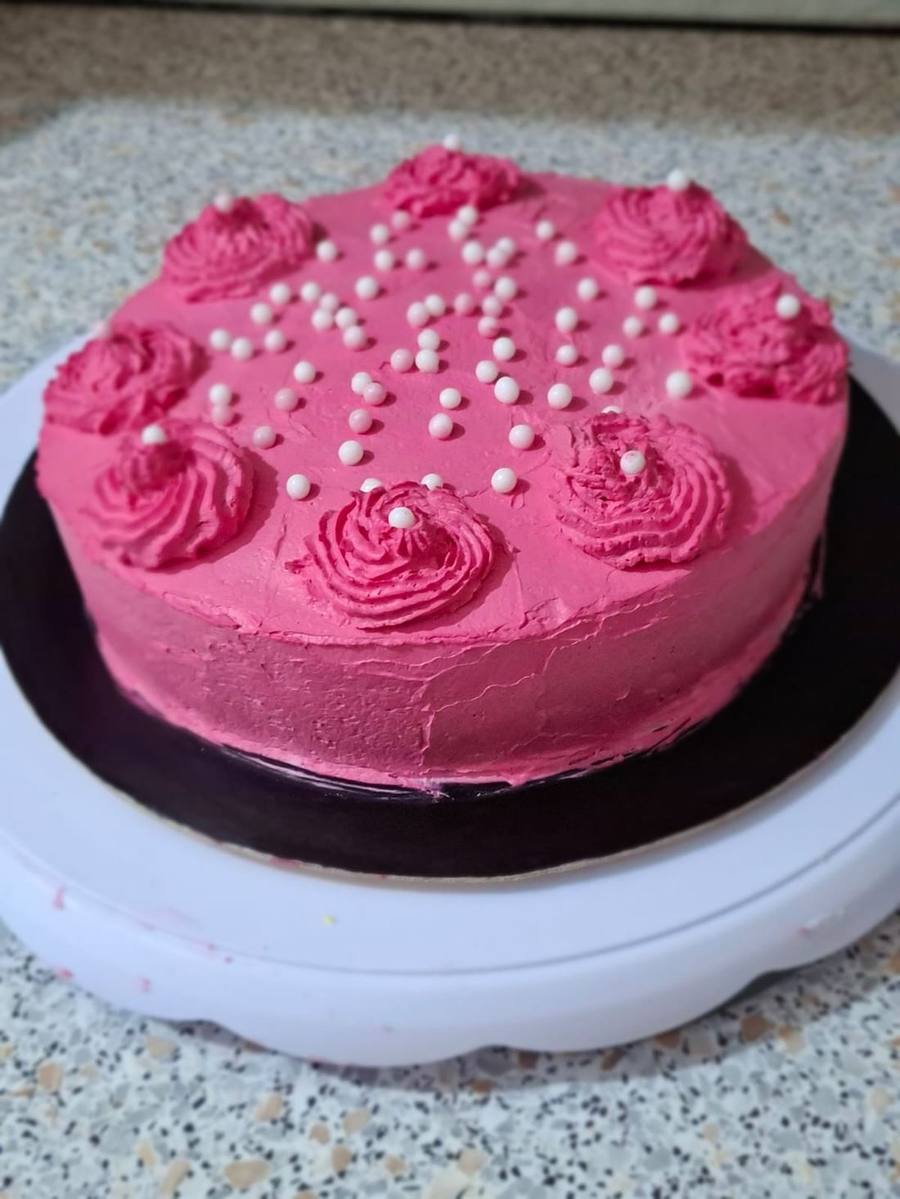 Catering & events
A Baby Shower Menu That Isn't Sandwiches
The best baby shower menu ideas start with warm food instead of a sandwich platter: sambusa…
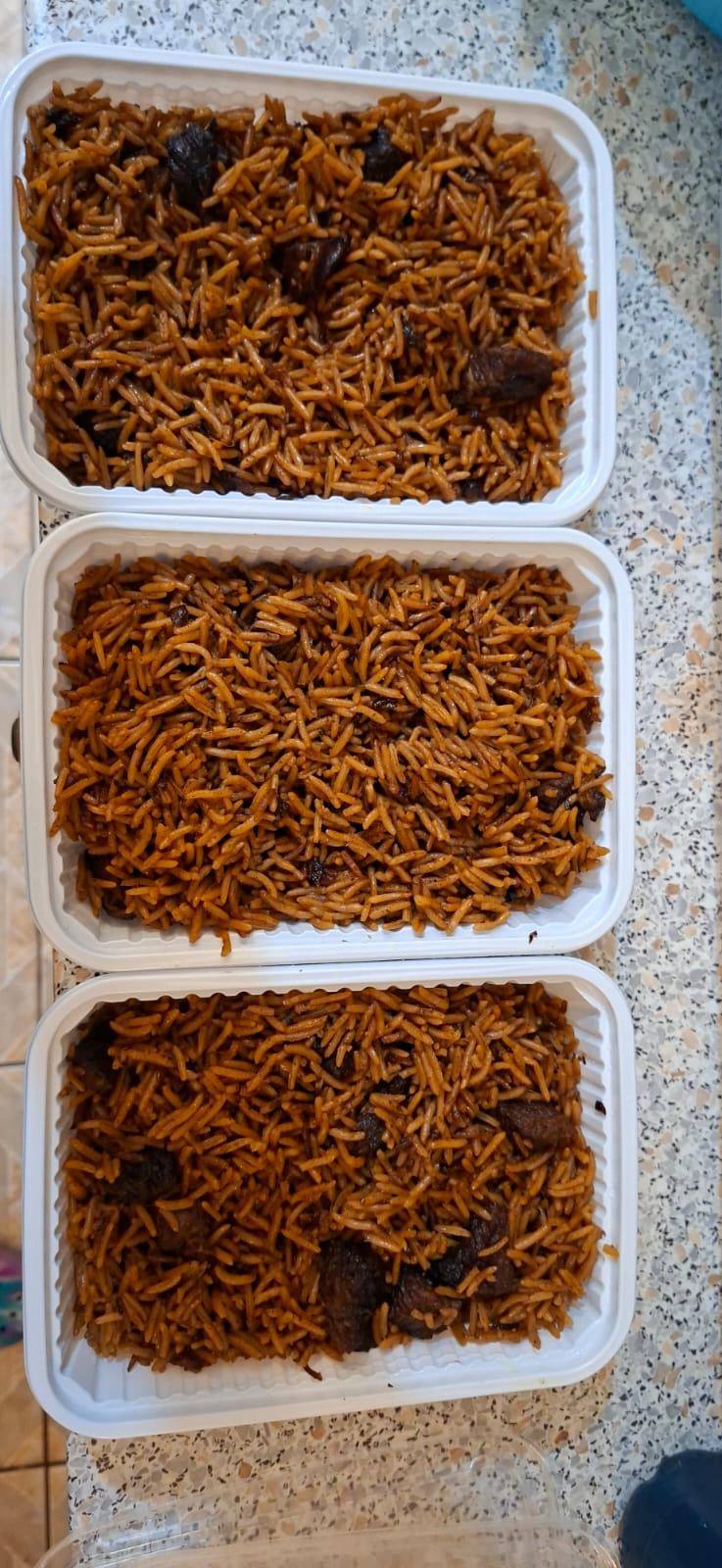 Catering & events
Baptism Party Catering in Budapest: Food for the Day
A baptism celebration in Budapest usually means one long table, three generations at it, and…
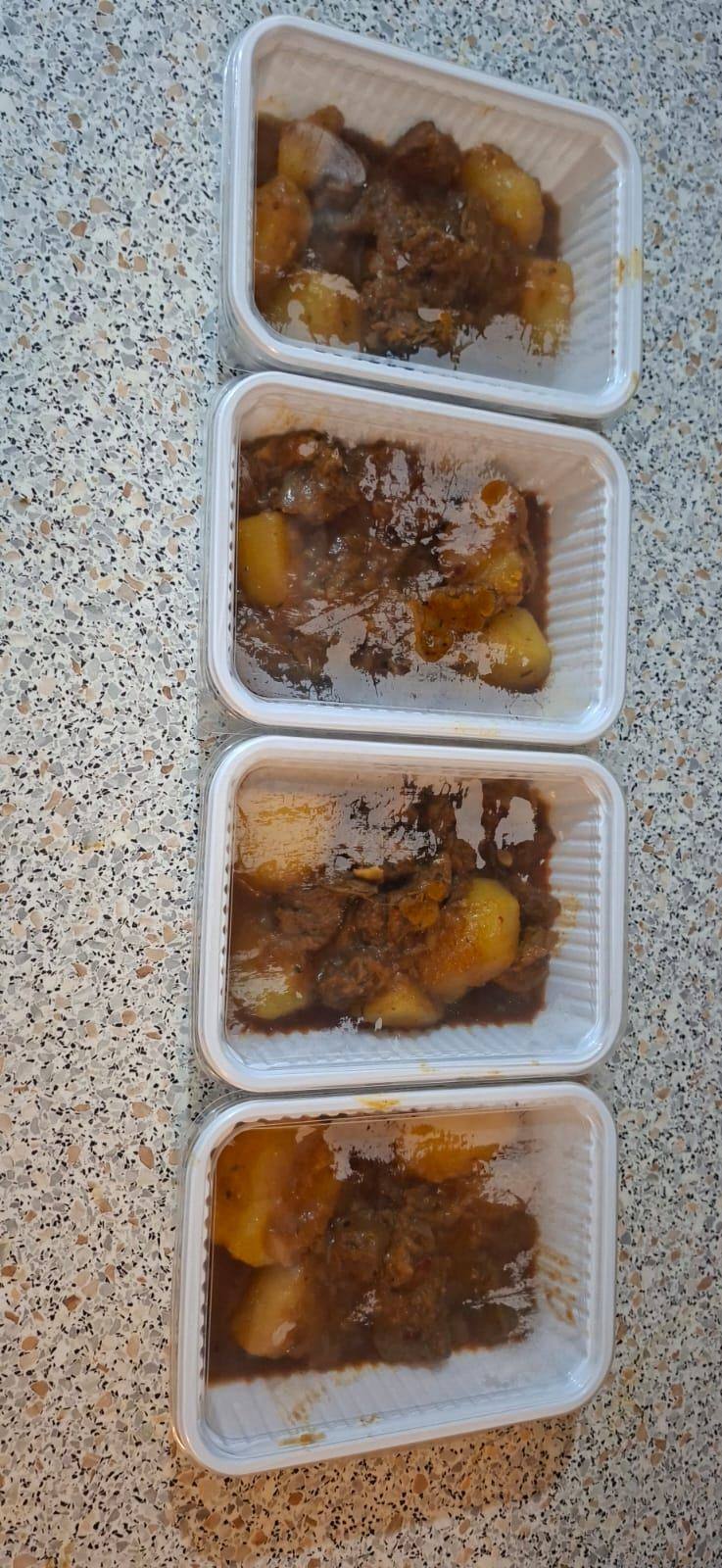 Ordering
We Deliver to All 23 Districts: What That Means for You
Food delivery to all Budapest districts means exactly that: all 23, Buda and Pest, District I…