
Tea in Kenya Is Not What You Think
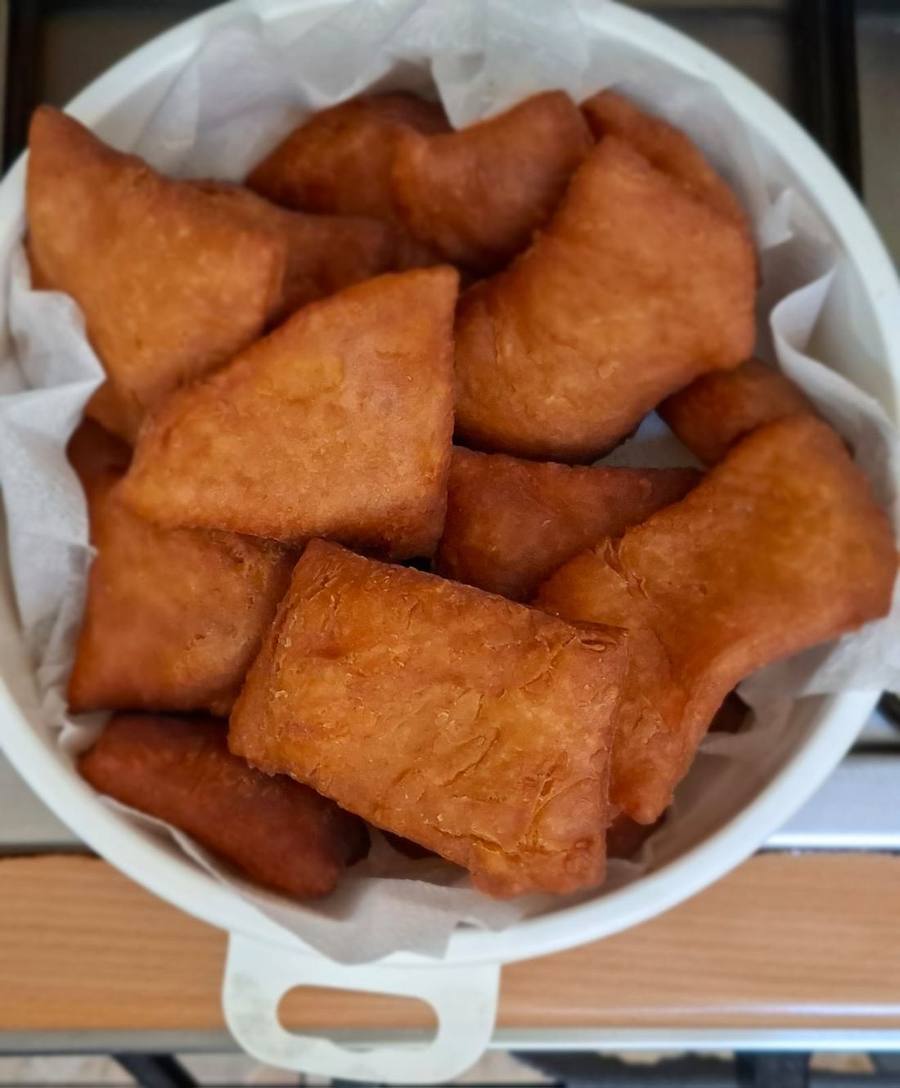
Kenyan tea culture runs on one pot. Water, milk, tea leaves and sugar are boiled together, not steeped and topped up, and the cup that comes out is hot, sweet and properly milky. It is drunk in the morning, again mid-morning, and whenever someone arrives at the door. In Budapest, that habit survives the move intact — and it suits the weather here.
Tea in Kenya is a pot, not a cup
Kenya grows a great deal of tea, and most of what is grown is processed into the small dark granules that give a strong, brisk brew. That style of leaf is built for boiling. Drop it in water with milk and sugar, bring the lot to a rolling boil, and you get a thick, rust-coloured cup that stands up to being sweet.
Kenyan chai is boiled, not brewed, with the milk in the pot from the start. That single sentence explains almost everything that surprises a first-time visitor about tea in Kenya. There is no teabag on a saucer, no jug of cold milk, no debate about milk first.
The plain milky version is chai ya maziwa. Black tea with no milk is ordered as strungi. Add crushed ginger and it becomes chai ya tangawizi, the household remedy and the everyday favourite, described fully in Chai ya Tangawizi: Kenyan Ginger Tea, Boiled Not Brewed.
How to make Kenyan chai in one pot
- Measure roughly half water, half milk, into a small pan — adjust to taste, but milk should be a real share, not a splash.
- Add the tea leaves and sugar cold, at the start. A heaped teaspoon of leaves per two cups is a reasonable beginning.
- Add ginger if you want it: a thumb of fresh root, crushed with the flat of a knife, skin on.
- Bring it to a boil and let it rise, then pull it off the heat before it climbs over the rim. Some people let it rise twice.
- Strain and pour straight away. Tea left sitting on the leaves turns bitter and no amount of sugar fixes it.
Kenyan tea culture: when tea happens, and with what
Tea is the first thing in the morning and the frame for the rest of the day. There is a cup at breakfast, another mid-morning when work pauses, and one in the late afternoon. It reappears any time a visitor arrives, and refusing it is a small awkwardness rather than a neutral choice — the kettle goes on before anyone asks.
It is almost always eaten with something. Mandazi is the classic partner: lightly sweet fried dough, torn and dipped, soft enough to soak without collapsing. Mahamri, the coastal version with coconut milk and cardamom, does the same job with more perfume. Leftover chapati works. So does plain bread, or boiled sweet potato. Mandazi: The East African Doughnut You Eat With Tea covers the pairing properly, and there is more on the morning version in What Kenyans Actually Eat for Breakfast.
Where a Hungarian tea habit and a Kenyan one differ
Hungarian tea tends to arrive as a bag in hot water with lemon, honey or rum, and milk is unusual. Kenyan chai is the opposite in almost every respect: milk is structural, lemon would be strange, and the sugar goes in during cooking rather than after.
The overlap is what tea is for. A Budapest winter runs from November to March, the damp comes off the Danube and stays, and a hot sweet cup in the afternoon is not a beverage so much as a piece of equipment. Ginger tea in February does for a Kenyan household in District VII exactly what it does in Nairobi in the cold season.
One practical note for making it here: ordinary supermarket tea bags will not give you the same cup. Loose, strong black leaf is what you want, and it is easy to find in African grocery shops in Budapest and in the market halls, where ginger is cheap and cardamom is sold whole.
Frequently asked questions
How is Kenyan tea made?
In one pot. Water, milk, tea leaves and sugar go in together and are brought to a rolling boil, then poured through a strainer. Nothing is steeped separately and milk is never added at the end.
Is Kenyan chai the same as Indian masala chai?
They share the boiling method but not the spicing. Kenyan chai is usually plain or made with ginger alone, sometimes cardamom, rather than the mixed masala of cloves, pepper, fennel and cinnamon common in India.
What do Kenyans eat with tea?
Mandazi and mahamri most often, or chapati, bread, boiled sweet potato and arrowroot. The food is only lightly sweet because the tea is already sweet, and the two are meant to be eaten together.
Order from Nyumbani Vibes Foods
Chai ya tangawizi with mandazi or mahamri, cooked to order — tea and something to dip, the way it is served at home. Open Sunday to Friday, closed all day Saturday for the Sabbath. Delivery to all 23 districts of Budapest, or collect at Erzsébet krt. 19 in District VII. Message WhatsApp +36 30 218 0887 or on Instagram at @nyumbani_vibeskehub25.
Order this from Nyumbani Vibes Foods
Kenyan home cooking and hand-iced cakes, made to order in District VII and delivered to all 23 districts of Budapest. Open Sunday to Friday, closed Saturday for the Sabbath.
Keep reading
 Catering & events
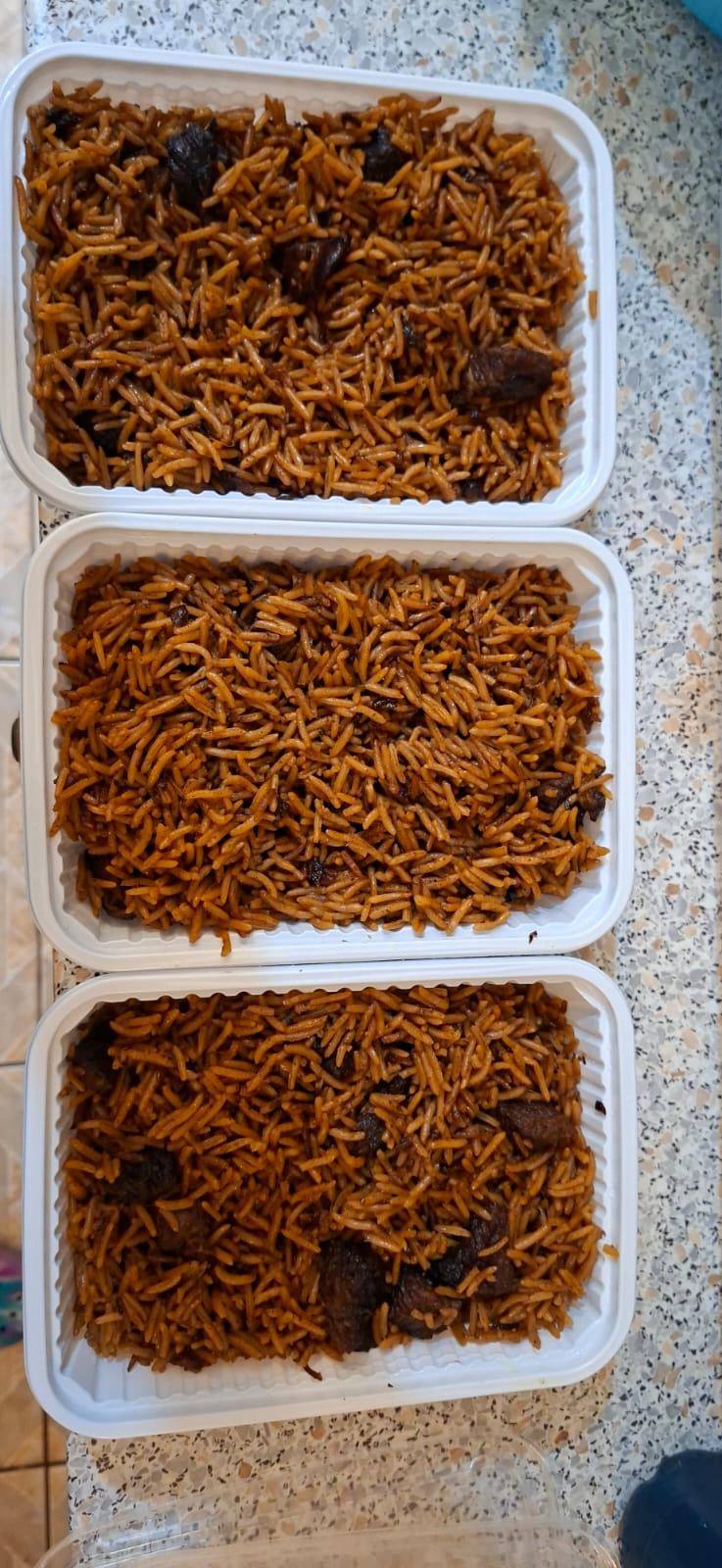
Catering for 30 People in Budapest: What to Actually Order
For catering for 30 people in Budapest, the honest working numbers are about 4.5 kg of…
DishesChai ya Tangawizi: Kenyan Ginger Tea, Boiled Not Brewed
Kenyan ginger tea — chai ya tangawizi — is made by boiling black tea leaves, milk, water,…
 Budapest living
Cheap and Filling Food Delivery for Students in Budapest
Cheap food delivery for Budapest students works best when the kitchen cooks to order instead…