
Kenyan Chapati: Soft, Layered, and Nothing Like Naan
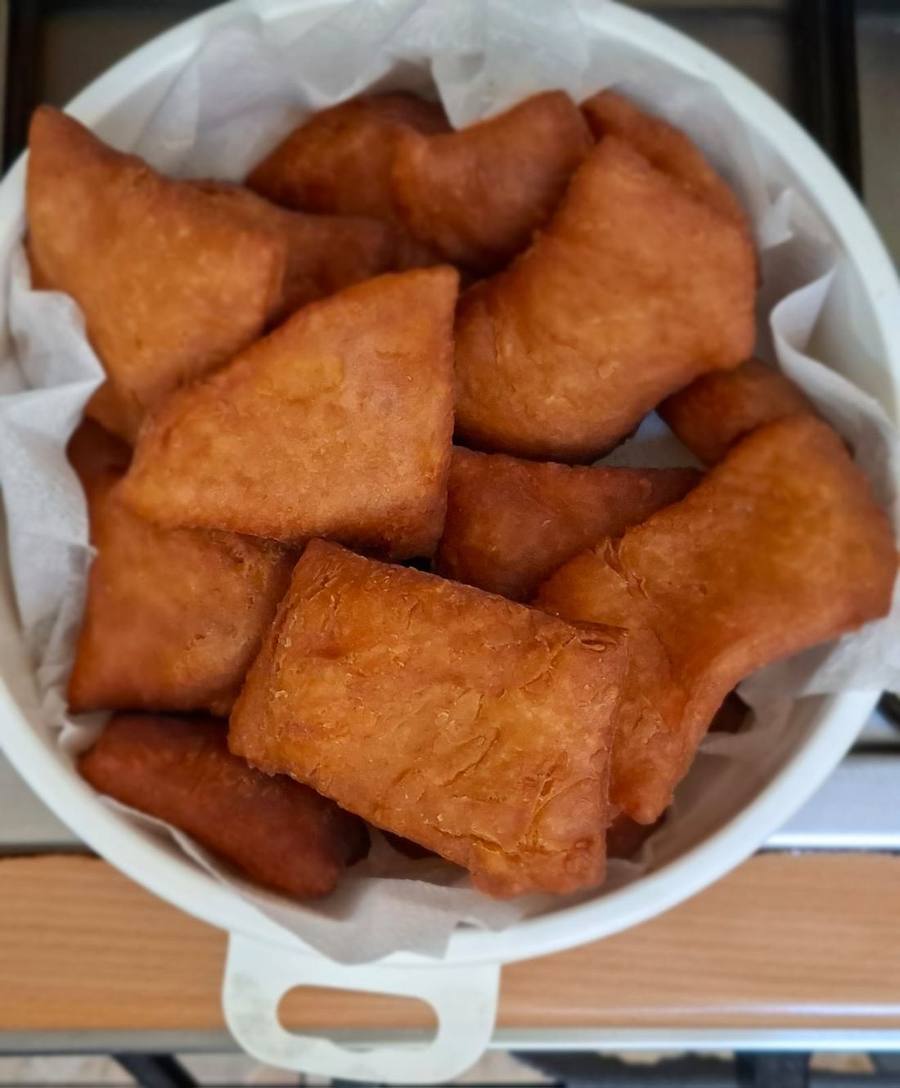
Kenyan chapati is a soft, layered wheat flatbread, pan-fried rather than baked, with no yeast in it at all. The dough is rolled out, oiled, coiled into a spiral and rolled again, which is what makes the finished bread peel apart in sheets. Nyumbani Vibes Foods cooks chapati to order in Budapest, in District VII.
What makes Kenyan chapati different from naan?
Naan is leavened with yeast, enriched with yoghurt or milk, and blistered against the wall of a tandoor. Kenyan chapati has none of that. It is flour, warm water, a little oil, a pinch of salt and sometimes a spoon of sugar, kneaded soft, rested, then cooked flat in a pan.
The thin, dry, cracker-ish Indian chapati is also a different thing. A Kenyan chapati is thicker, richer with oil, and pliable enough to fold into quarters without cracking. If you need one reference point from a menu you already know, it sits closest to a paratha.
Why the layers matter
The layers are the whole craft. A cook rolls the rested dough into a circle, brushes it with oil, then cuts it into a spiral or simply rolls it into a rope. The rope is coiled like a snail shell, pressed down, and rolled out again. All that oil trapped between the turns steams in the pan and pushes the sheets apart.
A good chapati pulls open in soft leaves when you tear it. A rushed one is a solid disc — still edible, but nobody is impressed.
Two small things Kenyan cooks fuss over:
- Rest the dough. Half an hour minimum, covered. Skipped resting means tough bread.
- Cook it hot and fast, with oil, not deep fat. The pan should be dry and hot before oil goes near it.
Hungarian flour works well for this. The plain BL55 sold in every supermarket in Budapest behaves exactly as it should — soft dough, good stretch — so there is no hunting involved.
What is chapati eaten with?
Chapati is a companion bread. It is torn by hand, never cut, and used to pick up whatever is wet on the plate. The standard partners:
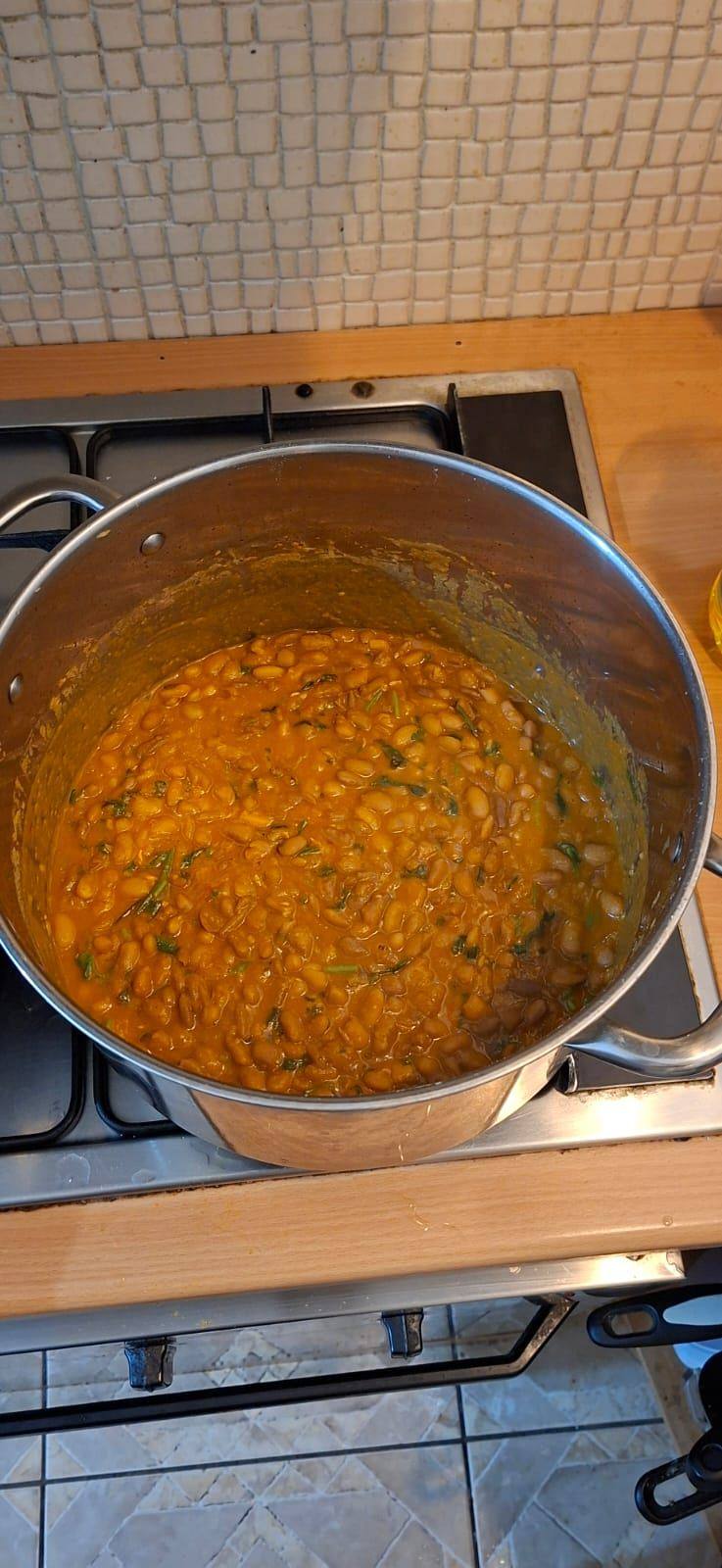
Beans in coconut milk is the pairing most Kenyans would name first, a plate so common it is practically a national breakfast-lunch — there is more on it in Beans in Coconut Milk: Kenya's Best Vegan Dish. Beef stew with potatoes works just as well, the chapati mopping the gravy. Chicken stew, the same. And on a slow morning, chapati and tea alone are a real meal, which is why it turns up in what Kenyans actually eat for breakfast.
It is also the celebration bread. Chapati takes time, so a stack of them means somebody cared about the occasion.
What does chapati taste like?
Mild, wheaty and slightly rich, with a faint sweetness from the sugar some cooks add. It is not spiced. The pleasure is texture: a soft chew, a little crispness on the browned spots, and that peeling layer effect. Warm chapati straight from the pan tastes noticeably better than one that has sat, which is the honest reason we cook it close to delivery time rather than in advance.
Ordering chapati in Budapest
Chapati travels reasonably well if it is stacked and wrapped while warm, so the steam keeps it soft. Nyumbani Vibes Foods cooks it fresh and delivers to all 23 districts of Budapest, Buda and Pest, or you can collect at Erzsébet krt. 19 in District VII, a short walk from Blaha Lujza tér on the 4–6 tram line. We need a day's notice for food. Prices are quoted per order in forint — send your list and you get the total the same day.
One honest note on allergies: this is a home kitchen where wheat, dairy, eggs and coconut are in daily use, so a trace-free plate cannot be promised. Tell us the allergy before ordering and you get an honest answer.
Frequently asked questions
What is Kenyan chapati?
Kenyan chapati is a soft, layered flatbread made from wheat flour, water, oil and a little salt, rolled into a spiral so it cooks in peelable layers, then pan-fried in a dry pan with oil.
How is Kenyan chapati different from Indian chapati or naan?
Kenyan chapati is softer, oilier and layered, closer to a paratha than to a thin Indian chapati. Naan is leavened with yeast and baked in a tandoor. Kenyan chapati has no yeast and is cooked in a pan.
What do you eat chapati with?
Chapati is eaten with beans in coconut milk, beef or chicken stew, or on its own with tea. It is torn by hand and used to scoop, never cut with a knife and fork.
Order from Nyumbani Vibes Foods
We make chapati fresh to order, on its own or alongside stew and beans. Nyumbani Vibes Foods is open Sunday to Friday and closed all day Saturday for the Sabbath. Delivery reaches all 23 districts of Budapest, or collect at Erzsébet krt. 19 in District VII. Message WhatsApp +36 30 218 0887 or on Instagram at @nyumbani_vibeskehub25.
Order this from Nyumbani Vibes Foods
Kenyan home cooking and hand-iced cakes, made to order in District VII and delivered to all 23 districts of Budapest. Open Sunday to Friday, closed Saturday for the Sabbath.
Keep reading
 Cakes
CakesCake on a Sunday in Budapest
Sunday cake delivery in Budapest is straightforward with us, because Sunday is a working day…
Culture & storiesTwelve Swahili Food Words Worth Knowing
Swahili food words are easier than they look, because Swahili is written as it sounds. Chakula…
 Culture & stories
The Kitchen, in Swahili
Swahili kitchen words are worth a few minutes of anyone's time before they order Kenyan food…