
The Kitchen, in Swahili
Swahili kitchen words are worth a few minutes of anyone's time before they order Kenyan food in Budapest, because the dish names are not translations — they are the actual names. Sufuria is a pot. Jiko is a stove. Wali is cooked rice. Nyama is meat. Once those land, a Kenyan menu reads like a menu rather than a puzzle.
Why the Swahili names stay on the menu
Swahili, or Kiswahili, is one of Kenya's two official languages and the everyday language of the coast and of most Kenyan kitchens. A cook does not call it "spiced rice with beef". She calls it pilau ya nyama, the same way a Hungarian kitchen says lecsó and not "pepper and tomato stew".
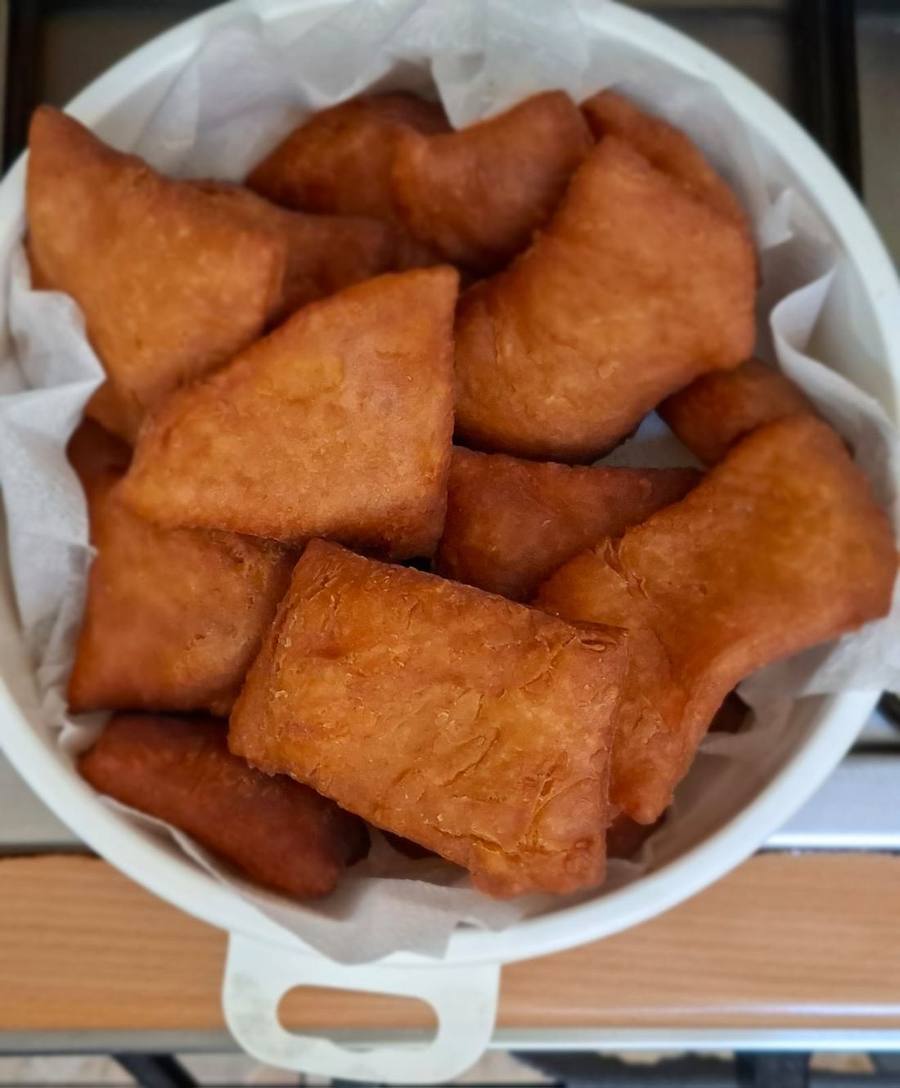
Keeping the names is also honest. Translate a dish and you flatten it. "Kenyan doughnut" gets you close to mandazi and then misleads you, because mandazi is far less sweet and is eaten with tea, not as dessert.
The words you will meet most
| Swahili | What it means |
|---|---|
| nyumbani | at home |
| jiko | stove, or the kitchen itself |
| sufuria | the round aluminium cooking pot |
| chakula | food |
| mchele | uncooked rice |
| wali | cooked rice |
| nyama | meat |
| maharagwe | beans |
| nazi | coconut |
| mboga | vegetables, greens |
| tangawizi | ginger |
| pilipili | chilli |
| chumvi | salt |
| unga | flour, usually maize meal |
| chai | tea |
| karibu | welcome, come in |
That last one is not a food word but it belongs here. Karibu is what you say when someone arrives, and when you put the plate down.
The words hiding inside the dish names
Most Kenyan dish names are small sentences once you have the vocabulary.
Pilau ya nyama is pilau of meat. Maharagwe ya nazi is beans of coconut — beans cooked in coconut milk, which is the best vegan dish on any Kenyan table. Chai ya tangawizi is tea of ginger, boiled with milk rather than steeped. Nyama na viazi is meat and potatoes, the everyday beef stew.
Sukuma wiki is the strangest of them: roughly "push the week", the cheap braised greens that stretch a household's food until payday. The name is a piece of economics, and everyone who eats it knows it.
Nyumbani means at home, and it is the word on our boxes. There is a whole post about why: What "Nyumbani" Means, and Why It Is on the Box.
The sufuria, and why it matters to how the food tastes
Of all these words, sufuria most changes how you picture the cooking. It is a plain round aluminium pot with no handles, stacked in every Kenyan kitchen in half a dozen sizes. It goes straight onto the jiko or the hob, and it heats fast.
It also shapes the food. Pilau is a one-pot dish because the sufuria makes one-pot cooking natural: brown the onions, brown the meat, add the spices, add stock, add rice, lid on, leave it alone. That method — described in full in What Is Pilau? — is why the rice tastes of the meat and not of a sauce poured over afterwards.
In a Budapest flat the equipment differs. Hungarian kitchens run to heavy-based pots with lids that fit, which is fine for this. The ingredient hunt matters more: whole cardamom, cumin seed and cloves from the market halls or African grocery shops, kale or savoy standing in for sukuma wiki, coriander when it is in season. One warning that has nothing to do with Swahili — pirospaprika is not the spice in any of these dishes.
A short guide to saying them
Swahili spelling is close to Hungarian in one useful way: it is largely phonetic, and vowels keep their value. Say every letter. Stress falls on the second-to-last syllable almost every time, so it is su-FU-ria, ma-ha-RAG-we, cha-PA-ti, tan-ga-WI-zi. Nobody here will correct you, but people smile when you try. Twelve more are in Twelve Swahili Food Words Worth Knowing.
Frequently asked questions
What does sufuria mean in Swahili?
A sufuria is the round, handle-less aluminium cooking pot used in almost every Kenyan kitchen. It sits directly on the fire or the hob, it stacks, and most Kenyan home cooking happens in one.
What is the difference between mchele and wali?
Mchele is uncooked rice and wali is cooked rice. Swahili treats them as two different foods with two different words, which is why a Kenyan menu will say wali rather than rice.
Do I need Swahili to order Kenyan food in Budapest?
No. You can order in English or in Hungarian. The Swahili names stay on the menu because they are the real names of the dishes, but nobody expects you to use them, and every dish is explained.
Order from Nyumbani Vibes Foods
Order pilau ya nyama, chapati, maharagwe ya nazi or chai ya tangawizi by their real names or by pointing at them — both work. Nyumbani Vibes Foods is open Sunday to Friday and closed all day Saturday for the Sabbath. Delivery to all 23 Budapest districts, collection at Erzsébet krt. 19 in District VII. Message @nyumbani_vibeskehub25 on Instagram.
Order this from Nyumbani Vibes Foods
Kenyan home cooking and hand-iced cakes, made to order in District VII and delivered to all 23 districts of Budapest. Open Sunday to Friday, closed Saturday for the Sabbath.
Keep reading
 Dishes
What Is Ugali, and How Do You Actually Eat It?
Ugali is a firm maize-meal staple cooked with nothing but water, stirred until it is stiff…
 Cakes
CakesWhy a Home-Baked Cake Tastes Different
A homemade cake in Budapest tastes different because of four things: real butter, whole eggs,…
 Budapest living
Why There Is No Kenyan Restaurant in Budapest
There is no Kenyan restaurant in Budapest with a sign over a door and tables inside — which is…