
Kenyan and Hungarian Comfort Food Have More in Common Than You Think
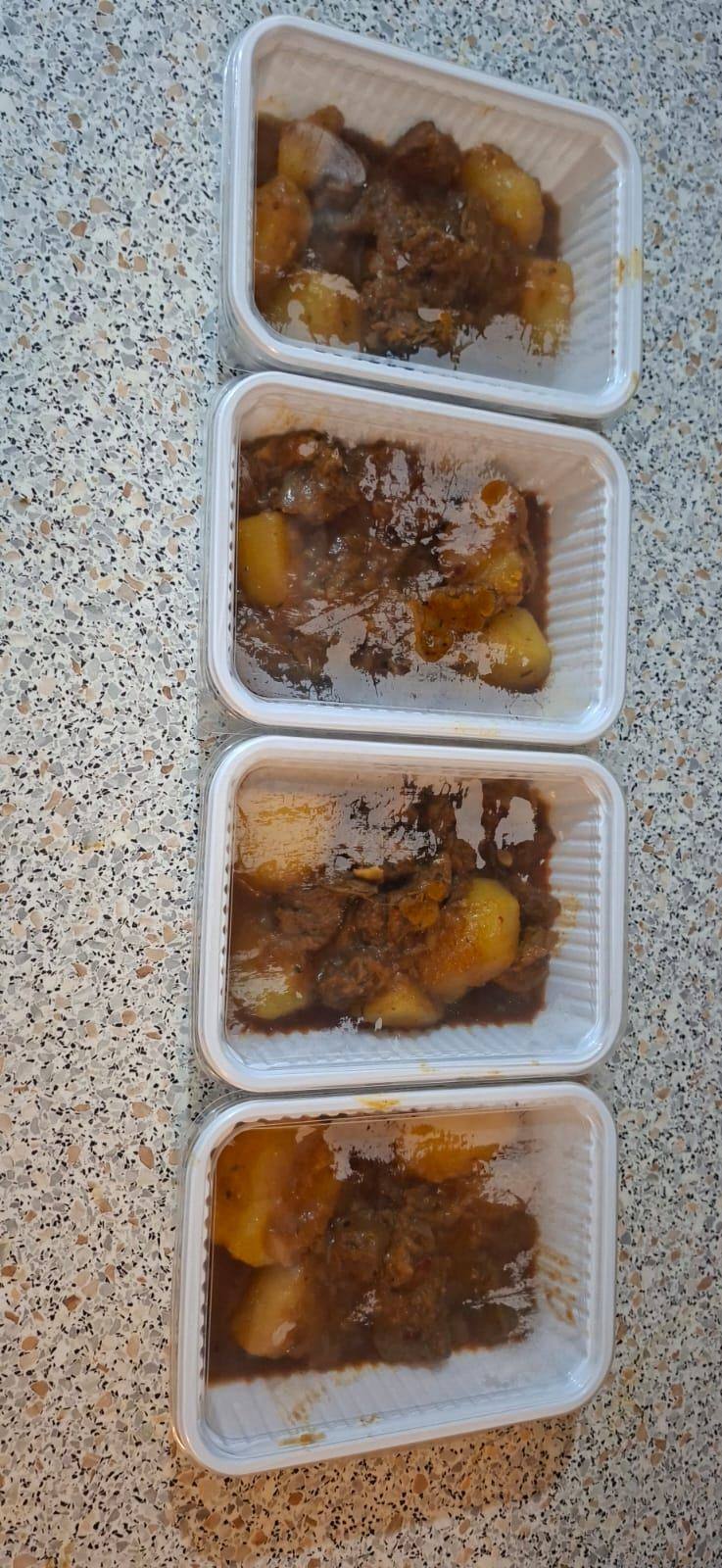
A Kenyan Hungarian food comparison is less exotic than it sounds. Both kitchens brown onions slowly and build a stew on them. Both turned maize into a daily starch — puliszka on one side, ugali on the other. Both cook cheap greens down into something that stretches the week. Eat Kenyan food in Budapest and the surprise is usually how familiar the structure feels.
The Kenyan Hungarian food comparison, dish by dish
| Hungarian | Kenyan | What they share |
|---|---|---|
| pörkölt | nyama na viazi | onions browned slowly, tough beef simmered soft |
| puliszka | ugali | maize meal cooked thick, mild, carries the sauce |
| főzelék | sukuma wiki | cheap greens cooked down, everyday food |
| bableves | maharagwe ya nazi | beans as a full meal, not a side |
| lángos | mandazi | fried dough eaten hot, in the hand |
| palacsinta | chapati | thin, pan-cooked, rolled or folded |
None of these are the same dish. They are the same instinct, arrived at separately: feed people well from an onion, a cheap cut and a bag of flour or maize.
The stew is the clearest case
Nyama na viazi is beef stew with potatoes, and a Hungarian cook already knows how it begins. A lot of onion, in oil, over patient heat, past soft and past golden into a real brown. Then the meat, then tomato, then time.
What changes is what goes in next. Hungarian cooking reaches for pirospaprika and finishes with sour cream. Kenyan cooking reaches for cumin, coriander, black pepper, fresh ginger and garlic, and the sauce stays clear of dairy. The result is darker and rounder than you expect, savoury rather than sweet, with soft potatoes that have drunk the sauce. To someone who has never had it, the closest honest description is a pörkölt that took a different turn at the spice cupboard. There is more in Nyama na Viazi: The Beef Stew Every Kenyan Grew Up On.
It is eaten with rice, chapati or ugali. Not with bread, and not with nokedli, though nothing bad happens if you try.
Maize, twice
Ugali is a firm maize-meal staple eaten with the right hand, and it is the everyday starch on most Kenyan tables. Hungary has its own maize dish in puliszka, softer and usually forked, but the logic is identical: a mild, filling base whose whole job is to carry something with more flavour.
The difference is texture and technique. Ugali is cooked stiff — stirred hard until it pulls away from the pot — and set firm enough to cut into wedges. You pinch a piece, roll it, press a dent in it and scoop. What Is Ugali, and How Do You Actually Eat It? walks through it.
Greens that stretch the week
Főzelék is the Hungarian answer to cheap vegetables and a long month. Sukuma wiki is the Kenyan one, and the name says it outright: push the week. Greens are shredded fine and fried down with onion and tomato until soft, sweet and a little smoky.
In Budapest the traditional collard greens are hard to come by, so kale or young savoy cabbage from the market halls does the job honestly — savoy needs less time, kale a little more. Sukuma Wiki: The Green That Stretches the Week has the detail.
What to order first if you grew up on Hungarian food
Start with beef stew with potatoes and chapati. It is the shortest distance between the two kitchens: a stew you recognise, a flatbread that behaves like a very good palacsinta, and nothing to brace for on the heat front. Chilli is served separately as pili pili, so the pot is mild by default.
After that, try beans in coconut milk: rich, fully vegan, with the coconut doing the rounding job that sour cream does in a Hungarian kitchen.
Collection is at Erzsébet krt. 19 in District VII, near Blaha Lujza tér on the 4–6 tram line, and delivery covers all 23 districts. Prices are quoted per order in forint.
Frequently asked questions
What Kenyan dish is closest to Hungarian pörkölt?
Nyama na viazi, beef stew with potatoes. Both start with onions cooked down slowly, both simmer tough beef until it gives, and both are eaten with a plain starch. The seasoning is the difference: cumin and coriander instead of pirospaprika.
Is ugali like puliszka?
Very like it. Both are maize meal cooked with water into a thick, mild starch that carries a stew. Ugali is stiffer — firm enough to cut and to pinch with your fingers — and it is eaten with the right hand rather than a fork.
Will Hungarians like Kenyan food?
Usually yes. Kenyan cooking is slow, savoury, onion-based and mild, with chilli served separately, so it lands close to Hungarian comfort food. Chapati and beef stew with potatoes are the easiest first orders.
Order from Nyumbani Vibes Foods
Beef stew with potatoes, chapati, ugali, sukuma wiki and beans in coconut — Kenyan comfort food cooked to order in Budapest. Open Sunday to Friday, closed all day Saturday for the Sabbath. Delivery to all 23 districts, or collect at Erzsébet krt. 19 in District VII. Message WhatsApp +36 30 218 0887 or on Instagram at @nyumbani_vibeskehub25.
Order this from Nyumbani Vibes Foods
Kenyan home cooking and hand-iced cakes, made to order in District VII and delivered to all 23 districts of Budapest. Open Sunday to Friday, closed Saturday for the Sabbath.
Keep reading
 Cakes
CakesAn Anniversary Cake, Quietly Done Well
An anniversary cake in Budapest does not need to be large or elaborate. One kilogram, one…
CakesPlanning a Baby Shower Cake in Budapest
For a baby shower cake in Budapest, order a 1 kg hand-iced cake for every eight to ten guests,…
Catering & eventsA Baby Shower Menu That Isn't Sandwiches
The best baby shower menu ideas start with warm food instead of a sandwich platter: sambusa…