
Eating With Your Hands: A Short Guide
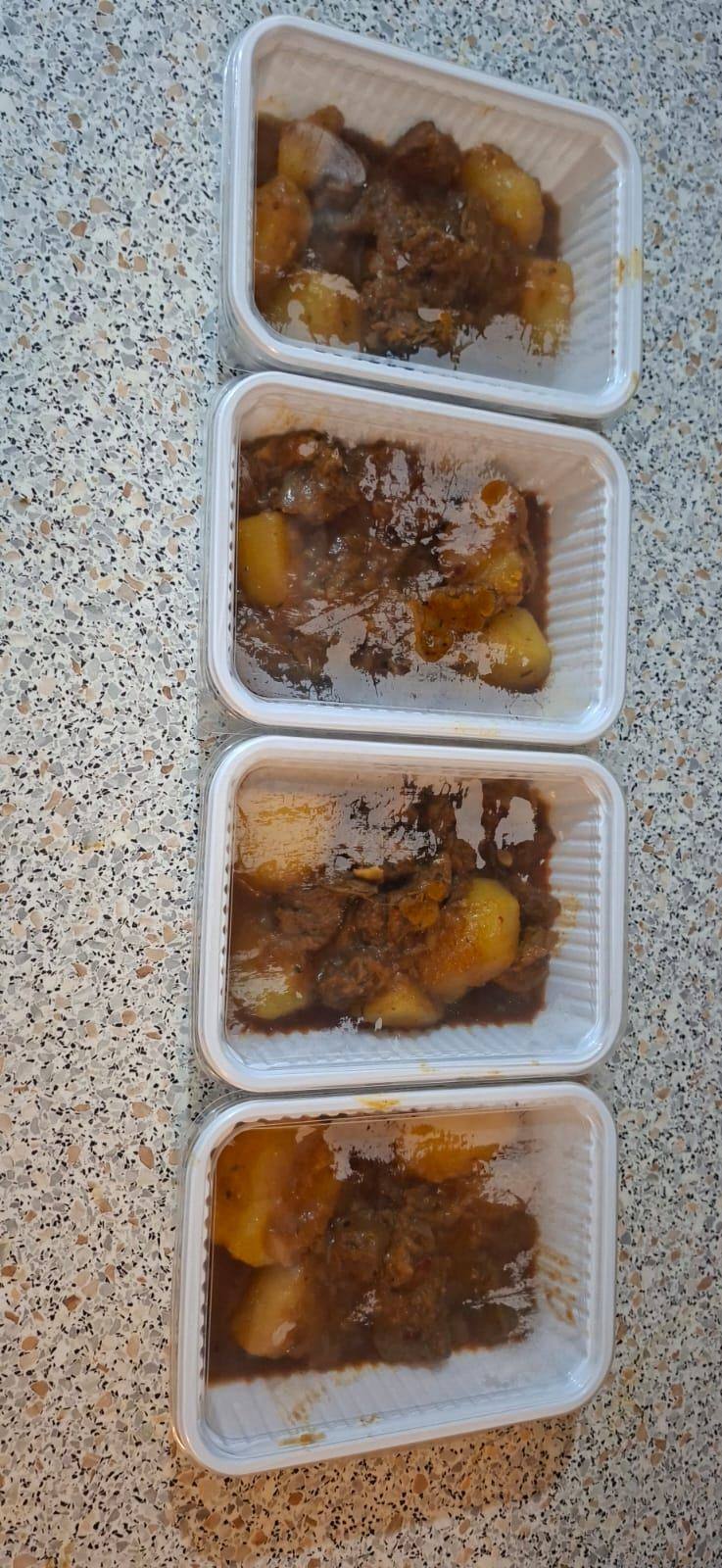
Eating with your hands at a Kenyan table means the right hand only, small pieces, and the fingertips doing the work. You tear or pinch a piece of ugali or chapati, shape it, and use it to scoop stew straight to your mouth. It is clean, quick and completely ordinary, and it works just as well at a kitchen table in Budapest as in Nairobi.
Eating with your hands: why the right hand only
Across East Africa the right hand is the eating hand, and the left is kept for other tasks. That is the whole rule, and it is treated the way cutlery etiquette is treated in Europe: nobody lectures you, but everybody notices. Left-handed guests generally manage the scoop with the right hand for the duration of the meal and no one comments.
The hands are washed immediately before the meal, often at the table. In many households a jug and basin are carried round so everyone rinses without leaving their seat. If you are hosting, a bowl of warm water and a clean towel does the same job in a flat in District VIII.
How to eat ugali with your hands, step by step
- Wash your hands properly, right before the food comes out.
- Pinch a piece of ugali from the edge of the block with the fingertips of your right hand — start smaller than you think, roughly a walnut.
- Roll it lightly against your palm or between your fingers until it is a smooth ball. This takes two seconds and stops it crumbling.
- Press a dent into one side with your thumb, so the ball becomes a little cup.
- Scoop the stew with the dented side, lift, and eat in one piece — no returning a half-bitten scoop to the shared dish.
Keep the food at your fingertips rather than letting it run down your palm. That single habit is the difference between eating neatly and needing a napkin.
Chapati, rice and the things that are not ugali
Chapati is the easiest way in. It is soft and flexible, so you tear a strip, fold it around a piece of beef or a scoop of beans and eat it like the simplest possible wrap. If you have never eaten with your hands before, start here. More on the bread itself is in Kenyan Chapati: Soft, Layered, and Nothing Like Naan.
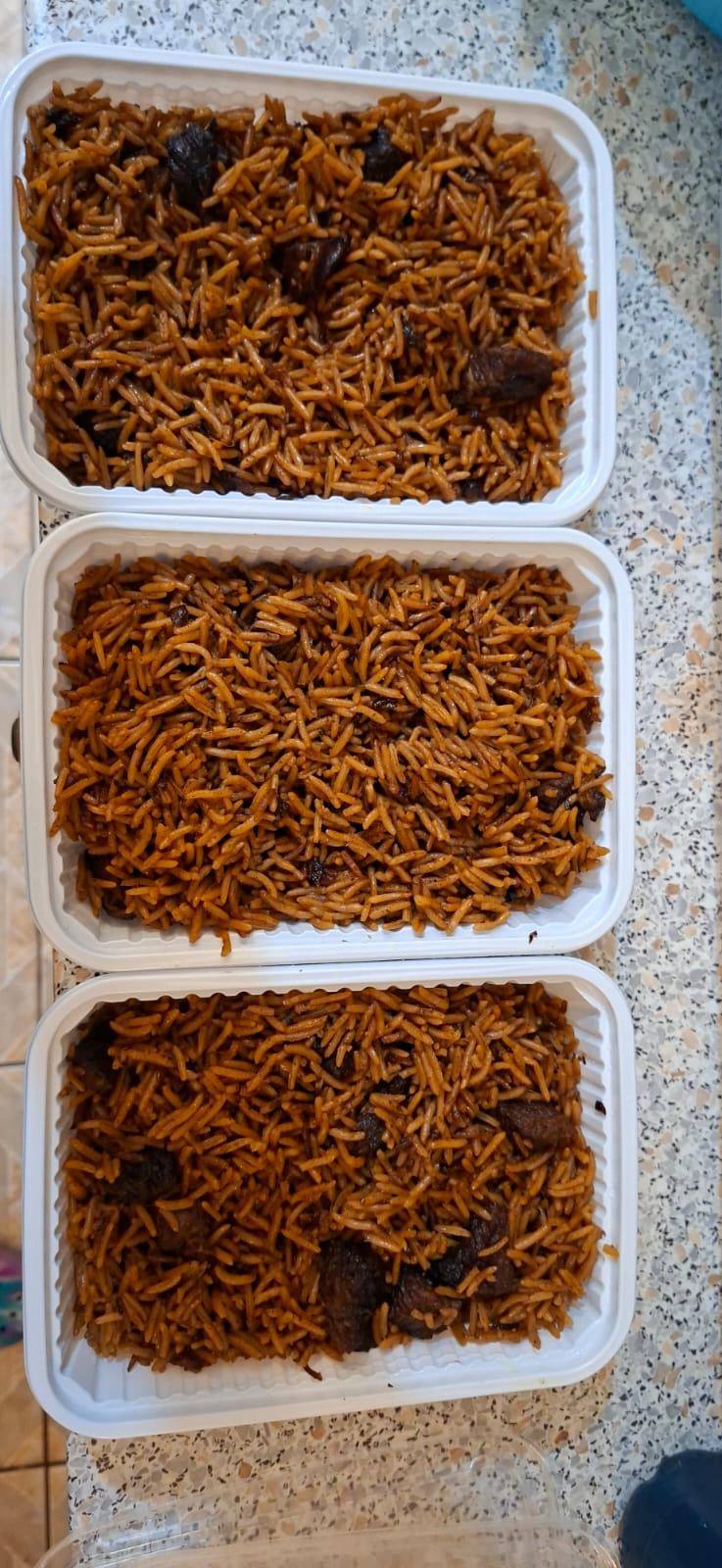
Rice is the exception people do not expect. Pilau is often eaten with a spoon or fork even in Kenya — it is loose, hot and spiced, and cutlery is normal.
Ugali is a firm maize-meal staple eaten with the right hand, and it is the everyday starch on most Kenyan tables. It is mild, clean-tasting and slightly warm-smelling, and its whole purpose is to carry a stew that has flavour to spare. If it is new to you, What Is Ugali, and How Do You Actually Eat It? goes further.
Hosting it in Budapest without making it strange
Hungarian tables are cutlery tables, and nobody needs converting. Set both: cutlery for everyone, plus a shared plate of chapati and a communal dish, and let people choose. Guests almost always try the hand method once the first person does it, and by the second chapati it stops being an event.
Three practical things. Serve the stew thick, because a watery sauce is hard to scoop — beef stew with potatoes, chicken stew and beans in coconut all sit at the right consistency. Give people room and somewhere to put the towel. And warm the chapati: thirty seconds a side in a dry pan and the layers loosen again, where cold chapati tears instead of folding.
There is a longer version in Hosting Your First African Dinner Party.
For a first attempt, ordering the food and concentrating on the hosting is not cheating. Collection is at Erzsébet krt. 19 in District VII, near Blaha Lujza tér on the 4–6 tram line, and prices are quoted per order in forint.
Frequently asked questions
Why do Kenyans eat with the right hand?
The right hand is the eating hand across much of East Africa, because the left is traditionally kept for other tasks. Using the right hand is simply good manners at the table, the way holding cutlery correctly is elsewhere.
How do you eat ugali without making a mess?
Pinch a small piece with the fingertips of your right hand, roll it into a ball against your palm, press a dent into it with your thumb, and use that dent to scoop stew. Keep the food to your fingertips.
Is it rude to eat Kenyan food with a fork?
No. Rice dishes like pilau are often eaten with a spoon even in Kenya, and no host will mind cutlery. Eating with your hands is an invitation, not a test, and most people try it once and keep going.
Order from Nyumbani Vibes Foods
Chapati, ugali, beef stew with potatoes, chicken stew and beans in coconut — the food this guide is written for. We cook Sunday to Friday and are closed all day Saturday for the Sabbath. Delivery to all 23 districts of Budapest, or collect at Erzsébet krt. 19 in District VII. Message WhatsApp +36 30 218 0887 or on Instagram at @nyumbani_vibeskehub25.
Order this from Nyumbani Vibes Foods
Kenyan home cooking and hand-iced cakes, made to order in District VII and delivered to all 23 districts of Budapest. Open Sunday to Friday, closed Saturday for the Sabbath.
Keep reading
 Catering & events
Catering an African Party in Budapest
African catering in Budapest works best when the table is built around one big shared rice…
Catering & eventsWorking Out a Catering Budget Per Person in Budapest
A catering budget per person starts with three numbers: how many people are coming, how many…
Catering & eventsCatering for 30 People in Budapest: What to Actually Order
For catering for 30 people in Budapest, the honest working numbers are about 4.5 kg of…