
East African Food in Budapest
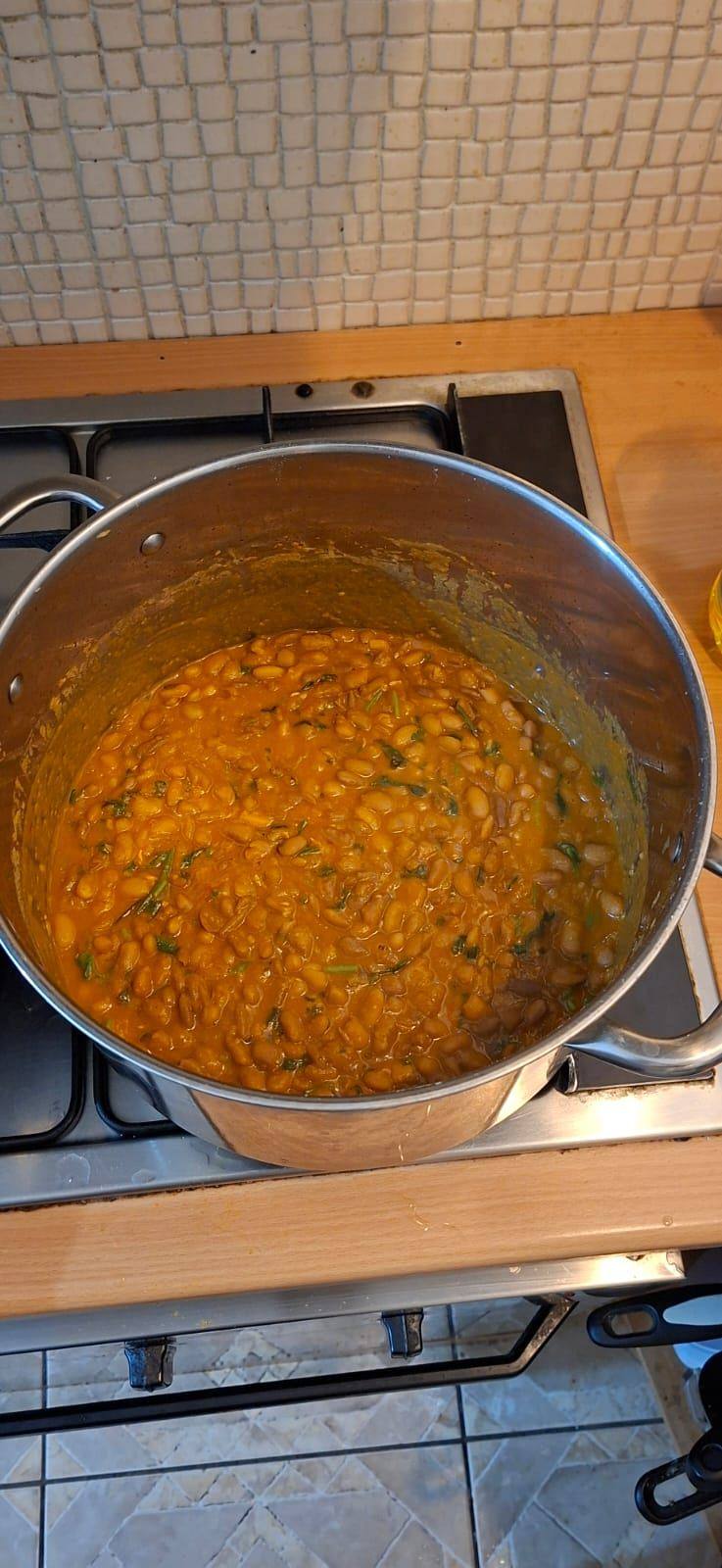
East African food in Budapest comes from home kitchens rather than restaurants. It means rice cooked in spiced stock, slow beef and bean stews, soft layered chapati, greens fried with tomato, and coconut milk on anything from the coast. Nyumbani Vibes Foods cooks it to order in District VII and delivers across all 23 districts.
What counts as East African food?
East Africa is not one kitchen, but the region shares a pantry. Inland, in the Kenyan highlands, the everyday plate is ugali — a firm maize-meal staple eaten with the right hand — with greens and a stew beside it. On the Swahili coast, trade with the Indian Ocean left cardamom, cloves, cinnamon and cumin in the spice tin and coconut in almost every pot. Chapati, flaky and layered, came the same way and became entirely Kenyan.
Two dishes explain the region faster than any definition. Pilau is rice cooked in spiced meat stock with onions browned nearly to mahogany, aromatic and savoury rather than hot. Maharagwe ya nazi is red beans simmered in coconut milk until the sauce thickens and turns faintly sweet — vegan without ever having been designed to be.
What it tastes like if you have never had it
Warm, not fiery. The spices are the ones a Hungarian kitchen already keeps for baking — cinnamon, clove, cardamom — used here in savoury cooking with cumin, ginger and garlic. There is very little chilli in the pot; when heat appears it is a small dish on the side and each person decides. A note worth saying plainly to anyone cooking at home: pirospaprika is not the spice in this food, and standing it in for cumin or pilau masala gives you something else entirely.
Textures run soft and generous. Chapati is torn with the hands and used to carry sauce. Nothing is fussy, and everything is meant to be shared from the middle of the table.
East African, West African and Ethiopian are different things
This is the confusion that sends people to the wrong search. Ethiopian food is built on injera, the sour fermented flatbread, and on stews spiced with berbere. West African cooking leans on jollof rice, palm oil, groundnut and real chilli heat. Kenyan and Swahili coast food sits apart from both: rice, chapati, ugali, coconut, warm aromatic spice, low heat. We go through the differences properly in Kenyan, Nigerian and Ethiopian Food Are Not the Same Thing, and if you want the single dish that explains the coast, start with What Is Pilau?.
Cooking it here, with Hungarian shopping
Budapest makes this easier than people expect. Beef on the bone from a Hungarian butcher is exactly right for pilau stock. Sukuma wiki traditionally uses collard greens, and kale or savoy cabbage from a market hall stands in honestly — cut fine, fried with onion and tomato, it gives the same result. Long-grain rice, maize flour, whole cardamom, cloves and cumin seed turn up in the market halls and in African grocery shops around the city, though what is on the shelf changes week to week.
How to order East African food in Budapest
- Send a list. WhatsApp +36 30 218 0887 or a message on Instagram. Say how many people are eating and whether anyone is vegetarian or vegan.
- Pick a starch and a stew. Rice or chapati or ugali, plus beef, chicken or beans. Add sukuma wiki and kachumbari and the plate is complete.
- Give a day's notice for food. Three days for a cake, a week for a colour-matched or heavily piped one.
- Choose delivery or collection. Delivery reaches all 23 districts; collection is at Erzsébet krt. 19 in District VII, on the 4–6 tram line near Blaha Lujza tér.
- Remember Saturday. The kitchen is closed all day for the Sabbath, so food for a Saturday event is delivered on Friday and Saturday messages are answered on Sunday.
Prices are quoted per order in forint — send your list and you get the total the same day. If you are allergic, say so before ordering: this is a home kitchen where wheat, dairy, eggs and coconut are in daily use, so a trace-free plate cannot be promised, and you get an honest answer.
Frequently asked questions
Where can I get East African food in Budapest?
Nyumbani Vibes Foods cooks East African food to order in Budapest — pilau, beef stew, chapati, beans in coconut, sukuma wiki, samosa and mandazi — for delivery to all 23 districts or collection in District VII.
What is East African food like?
It is warm-spiced rather than hot: cumin, cardamom, cinnamon, clove, ginger and garlic, with coconut milk on the coast. Stews, flatbreads, rice and greens, eaten together from shared dishes.
Is East African food the same as Ethiopian food?
No. Ethiopian cooking centres on injera and berbere-spiced stews. Kenyan and Swahili coast cooking uses rice, chapati, ugali and coconut, with milder, aromatic spicing. They are neighbours, not the same cuisine.
Order from Nyumbani Vibes Foods
Sharon cooks East African food to order in Budapest: pilau ya nyama, beef stew with potatoes, chicken stew, beans in coconut, sukuma wiki, chapati, samosa and mandazi. Open Sunday to Friday, closed all day Saturday for the Sabbath. Delivery to all 23 districts, or collection at Erzsébet krt. 19 in District VII. Message @nyumbani_vibeskehub25 on Instagram.
Order this from Nyumbani Vibes Foods
Kenyan home cooking and hand-iced cakes, made to order in District VII and delivered to all 23 districts of Budapest. Open Sunday to Friday, closed Saturday for the Sabbath.
Keep reading
 Budapest living
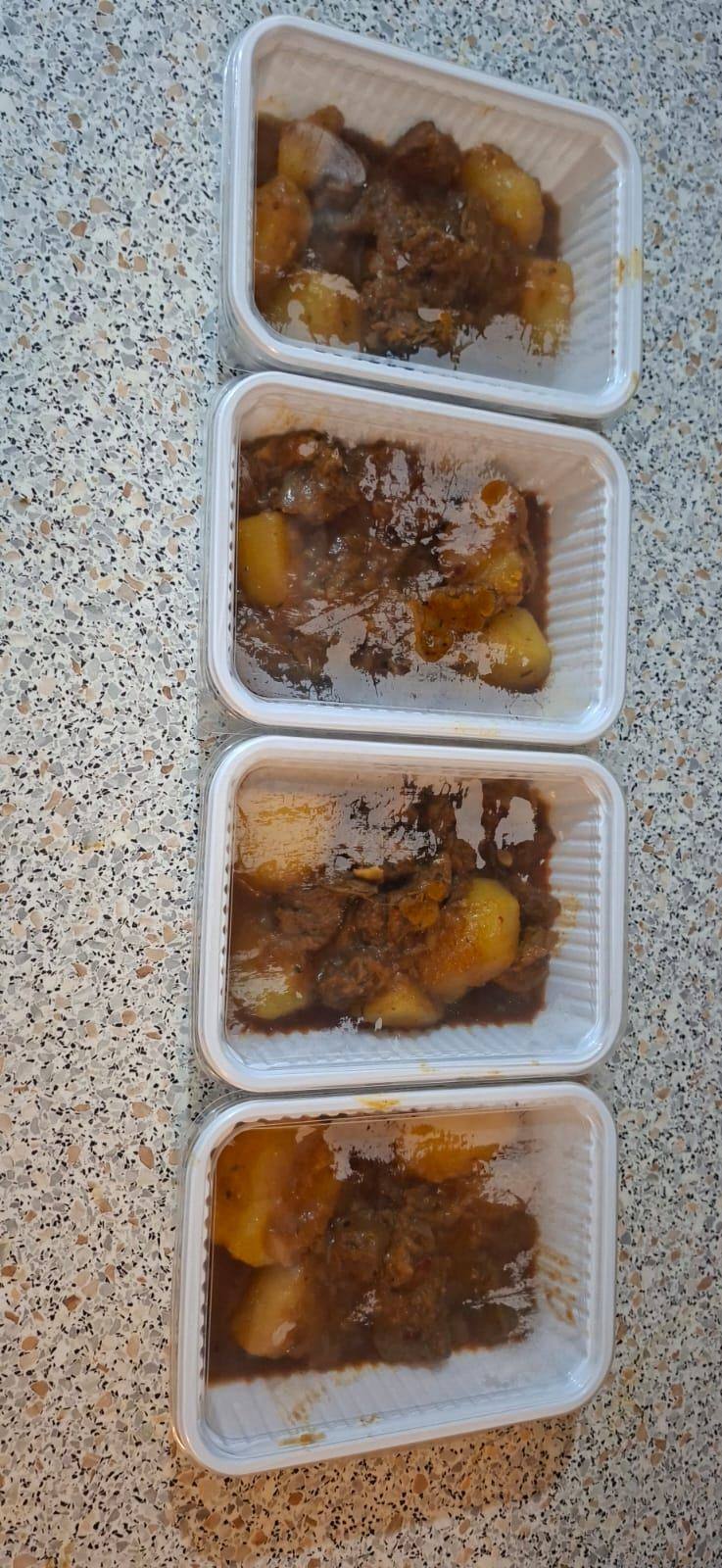
Warm Food Delivery in a Budapest Winter: What to Order From an African Kitchen
For warm food delivery in a Budapest winter, order the dishes that were built to be reheated…
Budapest livingAfrican Food Delivery in Budapest: How It Works
African food delivery in Budapest from Nyumbani Vibes Foods works by message, not by app. You…
 Budapest living
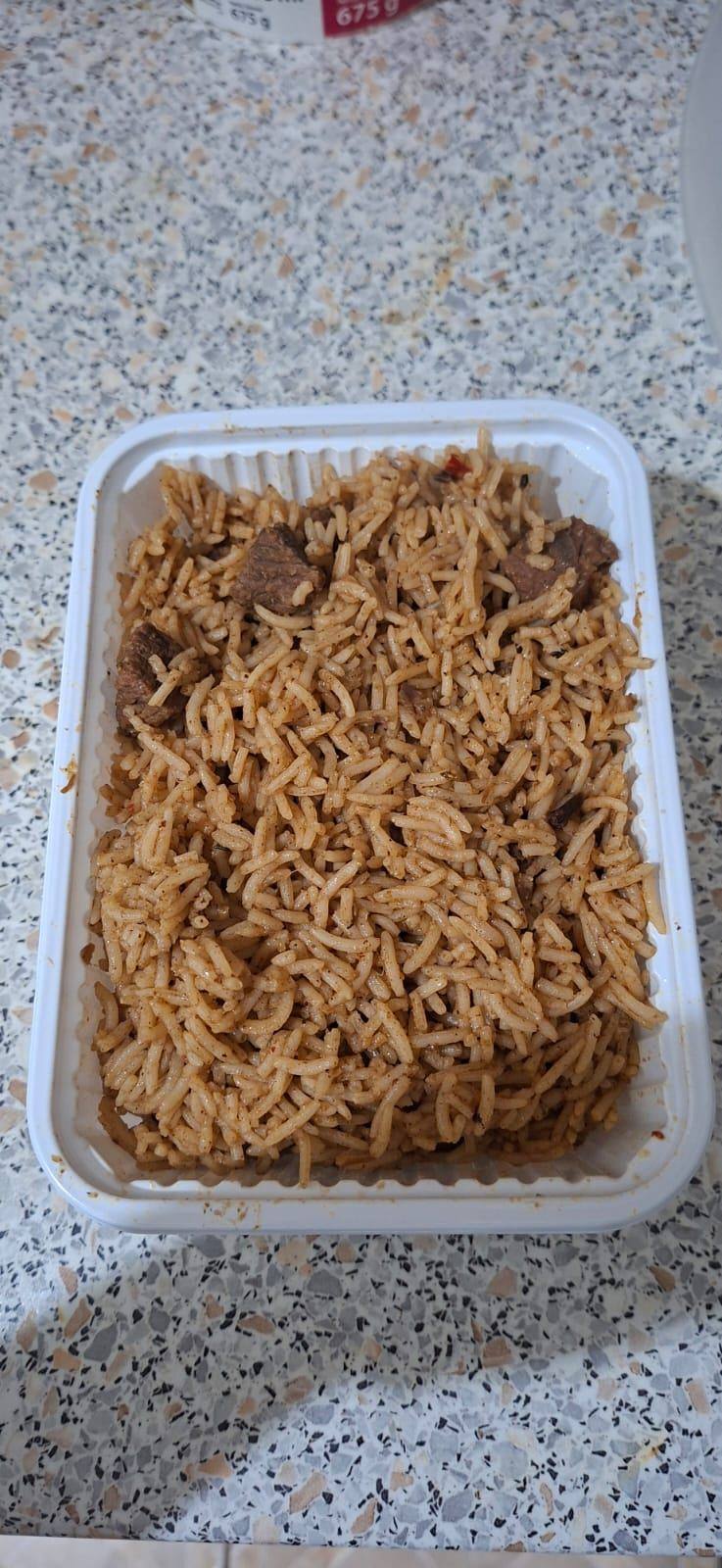
African Food Near Blaha Lujza tér
For African food near Blaha Lujza tér, Nyumbani Vibes Foods cooks Kenyan and East African…